
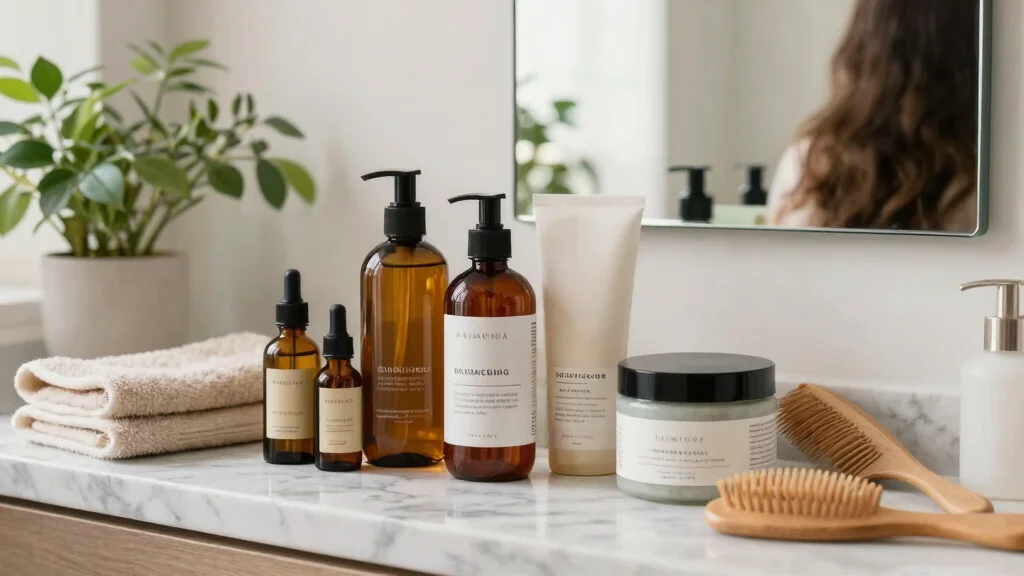
Reviving your hair can feel like an uphill battle, especially when it’s damaged and lifeless. After years of experimenting with dyes, heat tools, and even harsh chemicals, your locks might be begging for help. I created this guide to share the ultimate natural hair care tips for damaged hair restoration because I believe everyone deserves healthy, vibrant tresses. Whether you’ve suffered from breakage or split ends, this post is here to help you reclaim your hair’s natural beauty.
If you’re tired of looking in the mirror and feeling like your hair has lost its spark, you’re not alone. Many people are seeking effective yet natural ways to restore their locks. This guide is for anyone who wants to embrace their hair’s natural state without resorting to harsh treatments or expensive salon visits. You’ll find practical tips and easy-to-follow advice that can transform your hair from dull and damaged to healthy and full of life.
Throughout this article, you’ll discover effective methods such as the power of oils, nourishing hair masks, and gentle cleansing techniques. These strategies will not only revitalize your hair but also boost your confidence. By the end of this journey, you’ll be equipped with the knowledge to give your hair the love it needs to thrive naturally.
Key Takeaways
– Natural Oils are Essential: Embrace oils like coconut and argan to nourish and moisturize your hair, promoting healing and shine.
– Nourishing Hair Masks: Incorporate homemade hair masks using natural ingredients to hydrate and repair damaged strands.
– Gentle Cleansing Methods: Use sulfate-free shampoos and limit washing frequency to prevent further damage from harsh chemicals.
– Regular Trims: Keep your hair healthy with regular trims to reduce split ends and promote growth.
– Healthy Lifestyle Choices: Stay hydrated and maintain a balanced diet rich in vitamins and nutrients to support hair health from within.
1. Embrace the Power of Oils
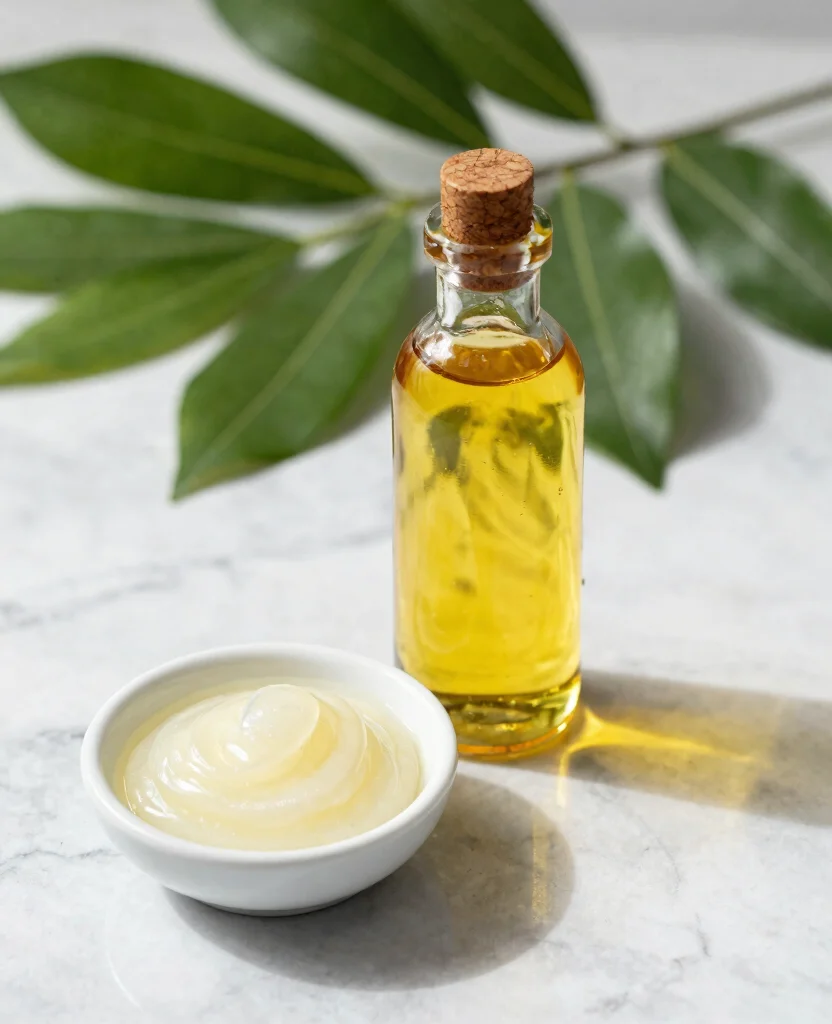
If you’re looking to breathe new life into your hair, natural oils are a fantastic choice. Oils like coconut, argan, and jojoba not only hydrate but also fortify your locks against future damage. These oils can transform dry, brittle ends into soft, manageable hair with just a few applications.
To effectively incorporate oils into your hair routine, warm a few drops in your hands and apply them from mid-length down to the ends. Try different oils to see what works best for you, and make it a weekly ritual.
Key oils to consider:
– Coconut Oil: Deeply penetrates hair and reduces protein loss.
– Argan Oil: Packed with antioxidants, it adds shine and moisture.
– Jojoba Oil: Mimics natural scalp oils for effective hydration.
Using these oils regularly can lead to visibly healthier hair, making it easier to style and manage.
2. Nourishing Hair Masks
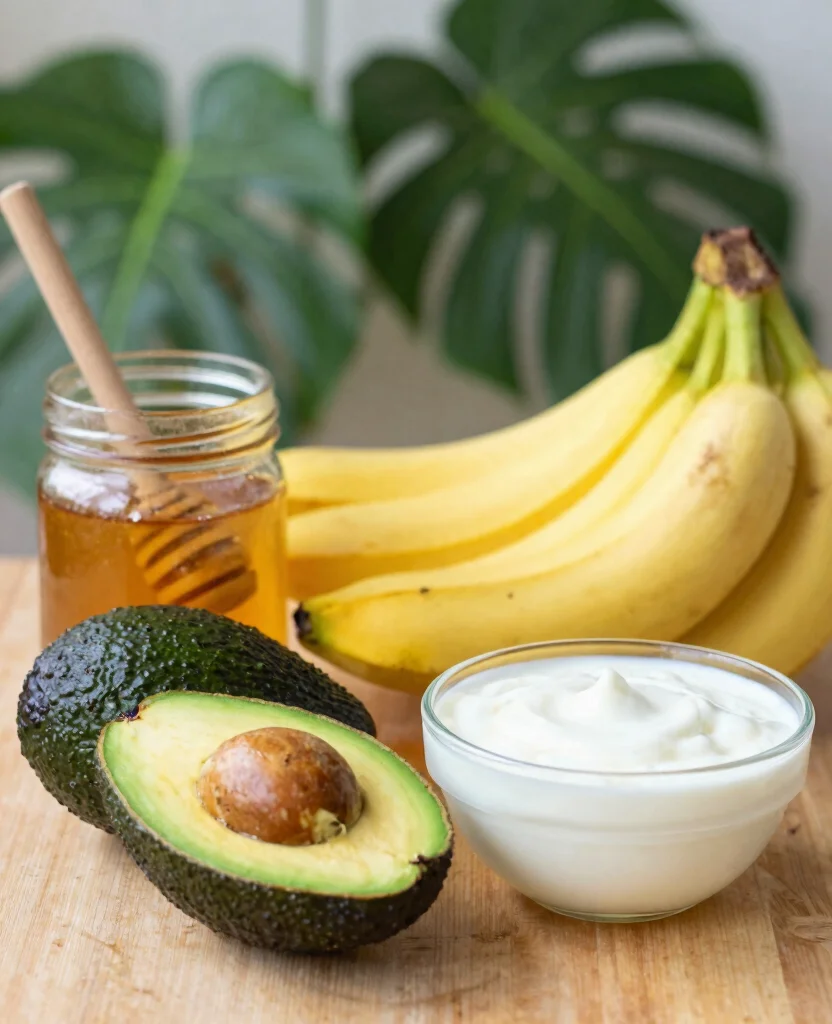
Looking for a way to deeply nourish your hair? Nourishing hair masks can work wonders, acting like a spa day for your locks. These treatments are essential for restoring moisture and repairing damage.
Try making your own masks at home using simple ingredients for a boost of hydration. Some easy recipes include:
– Avocado and Honey Mask: Blend a ripe avocado with honey for deep conditioning.
– Banana and Olive Oil Mask: Mix mashed banana with olive oil for softening effects.
– Yogurt and Egg Mask: Combine yogurt with an egg for protein-packed repair.
Using these masks weekly can significantly improve your hair texture and overall health, leaving your mane looking fabulous.
📹 Related Video: How to make protein hair mask for hair growth. #haircare #hairregrowthtips #hairregrowthremedy
3. Gentle Cleansing Techniques
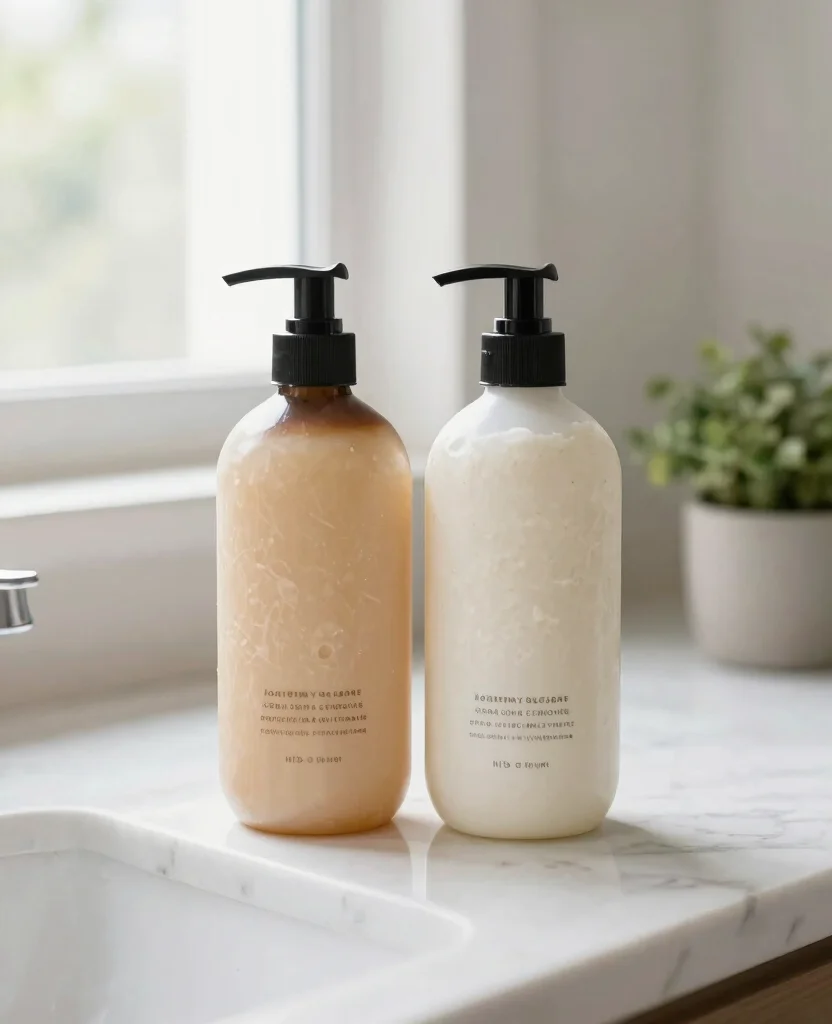
Are you washing your hair the right way? How you cleanse your hair is just as crucial as the products you choose. Harsh shampoos can remove essential oils, exacerbating hair damage.
Instead, opt for sulfate-free, hydrating shampoos to preserve moisture. Here are some gentle cleansing techniques:
– Dilute Your Shampoo: Mix shampoo with water for a softer wash.
– Scalp Cleanse Only: Focus on cleansing the scalp; the lengths will naturally clean during rinsing.
– Cold Water Rinse: Finish with cold water to seal the cuticle and enhance shine.
Treat your hair to this gentle cleansing routine, and pair it with a nourishing conditioner for the best results.
❝ Fun fact: 60% of shampoo’s harshness comes from concentration—diluting your shampoo with water reduces damage while keeping cleansing effective. With natural hair care for damaged hair in mind, choose sulfate-free formulas and focus on scalp cleansing to preserve moisture. ❞
4. Regular Trims
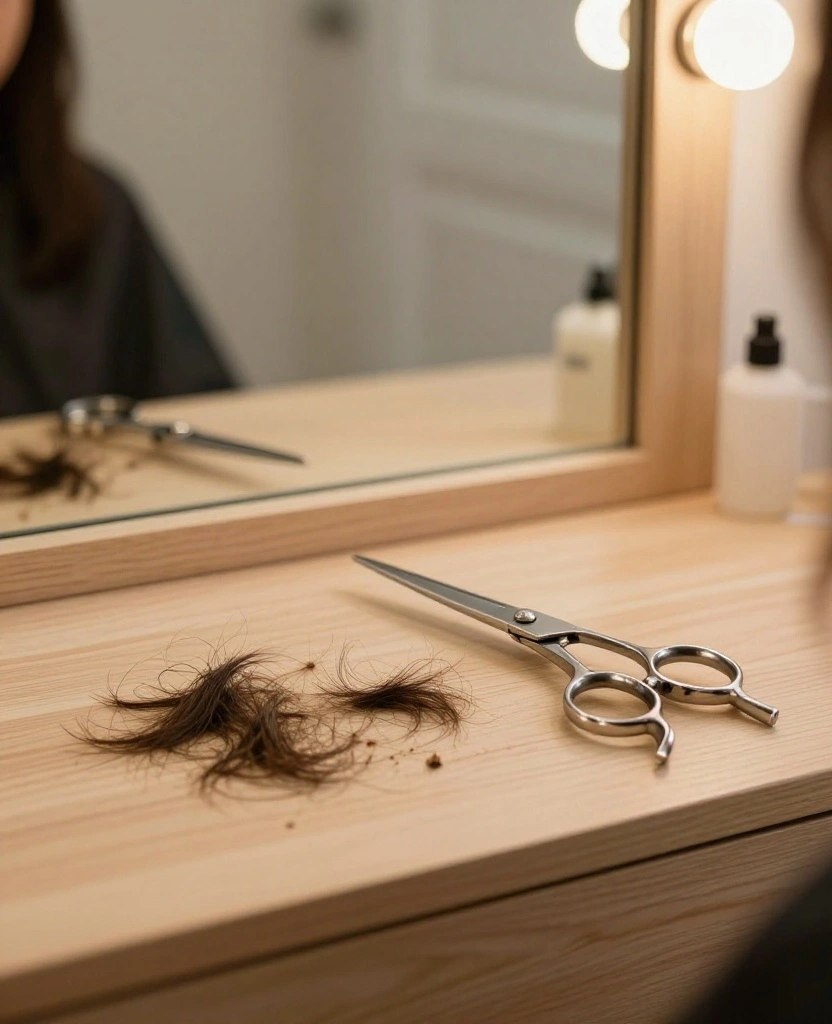
It may sound odd, but regular trims are essential for maintaining healthy hair. While it feels like you’re losing length, trimming split ends prevents further damage and encourages growth.
Plan to visit your stylist every 6-8 weeks to keep your hair in top shape. Here’s why trims matter:
– Prevent Split Ends: Cutting damaged ends stops splits from traveling up the hair.
– Maintain Shape: Regular trims keep your hairstyle looking fresh and full.
– Boost Growth: Healthy hair grows better, leading to longer locks over time.
Don’t hesitate to embrace this routine—your hair will flourish as a result.
5. Stay Hydrated and Eat Right

Your hair health starts with what you put into your body! A balanced diet rich in vitamins and minerals is vital for strong, beautiful hair.
Make sure to include these key nutrients in your meals:
– Omega-3 Fatty Acids: Found in fish and flaxseeds, they nourish the scalp.
– Biotin: Present in eggs and nuts, this vitamin supports hair structure.
– Vitamin E: Protects hair from damage; include nuts and leafy greens.
Don’t forget to drink plenty of water daily to keep your hair hydrated and vibrant!
You might also like
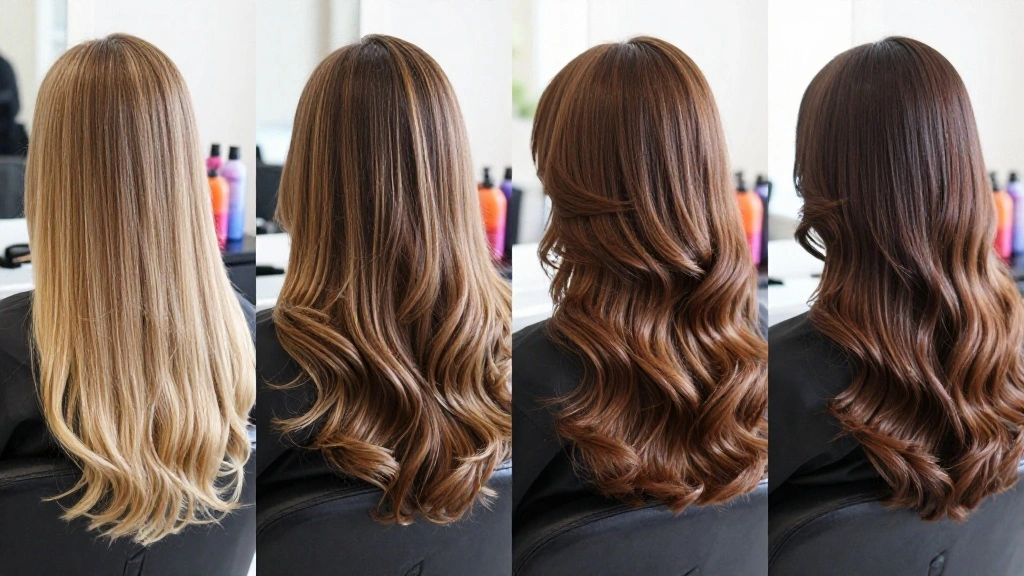

6. Protect Your Hair from Heat
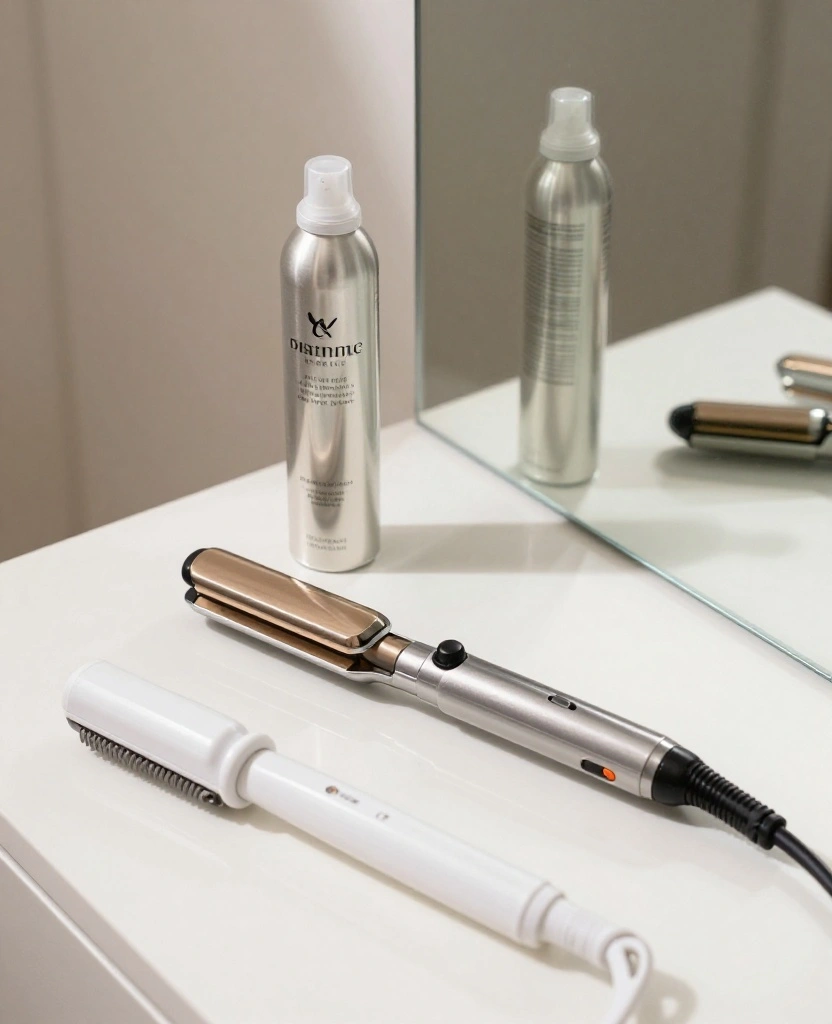
Are heat styling tools damaging your hair? Protecting your locks from heat is essential for maintaining their health. Using heat sparingly and applying a protectant can make a huge difference.
Here are some tips to shield your hair:
– Limit Heat Tools: Reduce how often you use blow-dryers or straighteners.
– Heat Protectants: Use a quality spray to protect against high temperatures.
– Lower the Temperature: Use the lowest effective setting on your tools.
By making these adjustments, you can enjoy stylish looks while keeping your hair healthy.
7. Avoid Over-Washing
Could washing your hair too much be causing damage? Over-washing strips away natural oils, leading to dryness. Aim for 2-3 wash days a week based on your hair type.
Here’s how to find the right balance:
– Find Your Natural Rhythm: Experiment with your washing schedule to see what works.
– Dry Shampoo: Use it on non-wash days to refresh roots.
– Conditioning Only: Rinse with water and condition for a light refresh.
This approach helps maintain moisture and keeps your hair looking its best!
Fun fact: washing too often can strip away your scalp’s natural oils, undermining natural hair care for damaged hair by up to 2x. Aim for 2-3 wash days a week, and use dry shampoo on non-wash days to refresh roots.
How To Choose The Right Products for Natural Hair Care for Damaged Hair
When it comes to restoring damaged hair, choosing the right products is crucial. The right items can help nourish, repair, and protect your locks. Here’s how to make the best choices for your hair care routine:
1. Hair Type
Understanding your hair type is the first step. Is your hair straight, wavy, curly, or coily? Each type needs different care. For instance, curly hair may need more moisture, while straight hair might require lighter products. Check labels for products designed specifically for your hair type to ensure you get the best results.
2. Ingredients
Read the ingredient list carefully. Look for natural oils like argan, coconut, or jojoba. These ingredients provide hydration and nourishment. Avoid harsh chemicals such as sulfates and parabens, as they can strip moisture from your hair. Always prioritize products that focus on hydration and repair.
3. Purpose
Identify what you want the product to do. Are you looking for a deep conditioner, leave-in treatment, or a styling product? For damaged hair, a deep conditioner can help restore moisture, while a leave-in treatment can protect against everyday damage. Picking a product that matches your specific needs will maximize results.
4. Brand Reputation
Consider brands with good reviews and a solid reputation in hair care. Research customer feedback and expert opinions online. Well-established brands often have proven results and tested formulas. Don’t hesitate to ask friends or family for recommendations as well.
5. Price Range
Set a budget before shopping. High-quality products can be found at various price points. While some higher-end brands offer great results, there are also affordable options that work wonders. Compare prices and read reviews to find the best value for your money without sacrificing quality.
Pro Tip: Start with travel-sized versions of products. This way, you can test them without committing to a full-sized item. It allows you to see how your hair reacts before making a larger investment.
Finding the right products for natural hair care for damaged hair doesn’t need to be overwhelming. By keeping these criteria in mind, you’ll be well on your way to selecting the best options for healthy, revitalized locks!
8. Stay Stress-Free

Did you know that stress can affect your hair? High stress can lead to hair loss and dullness, making it vital to manage stress for healthier hair.
Consider these tips for reducing stress:
– Mindfulness and Meditation: Practice techniques to promote calmness.
– Physical Activity: Regular exercise boosts mood by releasing endorphins.
– Adequate Sleep: Prioritize restful sleep for overall wellness.
Nurturing your mental well-being creates a solid foundation for vibrant hair.
Did you know stress can show up in your hair too? Chronic stress may trigger shedding, with some people noticing up to 40% more hair loss during tough weeks. Tame stress with mindfulness, sleep, and movement to boost natural hair care for damaged hair.
You Might Also Like


9. Choose the Right Products
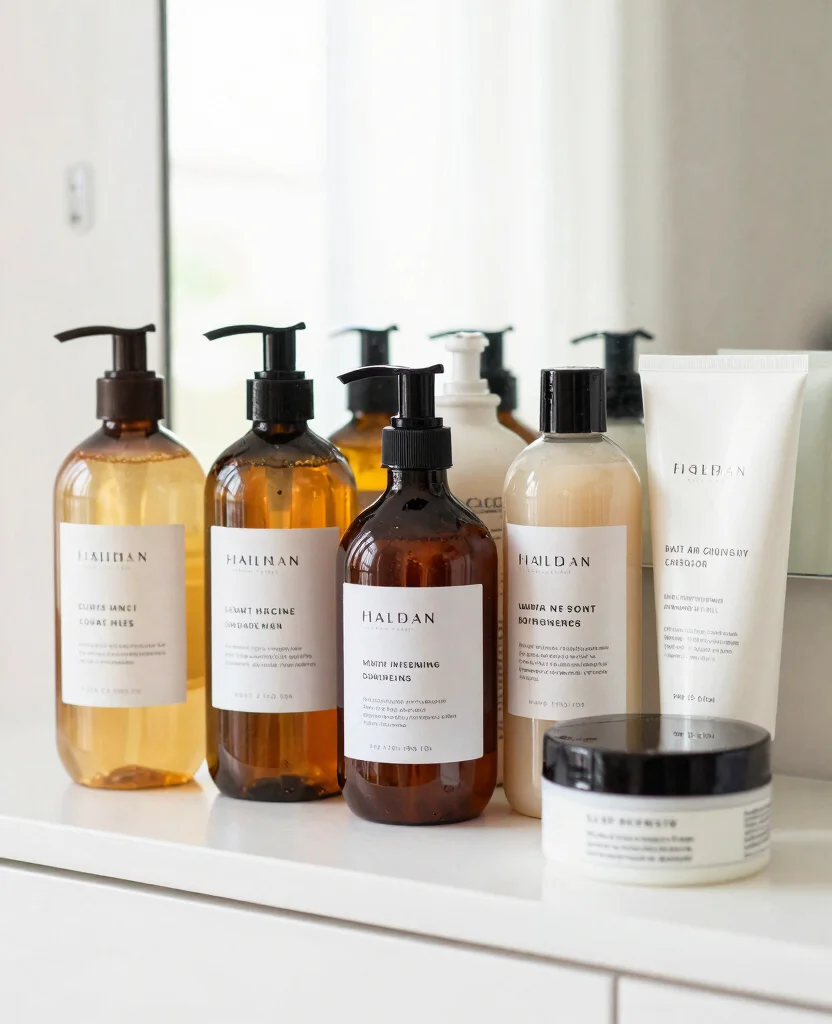
Are you using the right products for your hair? Selecting shampoos and conditioners tailored for damaged hair is crucial. Focus on quality ingredients for optimal care.
Keep these considerations in mind:
– Ingredients Matter: Avoid sulfates and parabens; choose hydrating components.
– Silicone-Free Options: They help prevent buildup for healthier hair long-term.
– Leave-In Treatments: Use them to add moisture and protection throughout the day.
Investing in the right products can dramatically restore your hair’s vitality and shine.
10. Patience is Key
Restoring damaged hair takes time and consistent care. While you might want quick results, patience is essential for healing.
Track your progress by keeping a hair care journal to see what works for you. Celebrate small victories, whether it’s added shine or reduced breakage. Stay committed to your routine, knowing that beautiful hair requires effort.
With dedication and love, your locks will flourish and look stunning once again!
Conclusion
Reviving damaged hair is all about finding the right balance between care and patience. By embracing natural methods and nurturing your hair, you can restore its health and radiance.
So, why not start today? Choose a few tips from this guide and make them a part of your hair care routine. Your journey to beautiful, vibrant hair has just begun!
Frequently Asked Questions
Question: What Are the Most Effective Natural Hair Care Tips for Damaged Hair Restoration?
Starting with a gentle cleanse and deep moisture is essential for damaged hair restoration.
Switch to a sulfate-free shampoo and wash with lukewarm water 2–3 times a week to avoid stripping moisture. This is a cornerstone of natural hair care for damaged hair.
Deep condition weekly with a mask (for example, avocado + honey or yogurt + olive oil) for 15–30 minutes—adding a touch of heat can help the conditioner penetrate better.
Seal in moisture with a lightweight leave-in conditioner and a small amount of argan or jojoba oil on mid-lengths to ends. Minimize heat styling and always use a heat protectant, keeping temperatures as low as possible (ideally < 350°F/177°C). Trim split ends every 6–8 weeks and sleep on a satin pillowcase to reduce friction. With consistency, you’ll see brighter, softer hair—central to natural hair care for damaged hair.
Question: How Can I Revive Damaged Hair at Home with Simple, Actionable Steps?
Here’s a practical routine you can start today for natural hair care for damaged hair.
1) Wash with a gentle, sulfate-free shampoo and avoid daily washing. This helps keep moisture intact and reduces further damage.
2) Balance moisture and protein: alternate with a lightweight protein treatment every 3–4 weeks so strands don’t get too stiff or limp.
3) Do a weekly deep conditioning mask (DIY ideas: avocado + yogurt, or banana + honey) for 20–30 minutes, using heat or a shower cap to boost penetration.
4) Detangle when wet using conditioner in the hair and a wide-tooth comb, working from ends to roots to prevent breakage.
5) Seal moisture with a leave-in and a small amount of oil (argan or jojoba) on mid-lengths to ends.
6) Protect hair at night with a satin pillowcase or bonnet to minimize friction.
7) Limit heat styling; use a heat protectant and keep temperatures as low as possible. Regular trims help maintain healthy ends and support progress in natural hair care for damaged hair.
Question: Which Natural Oils and Masks Are Best for Damaged Hair and How Should I Use Them?
Great options include oils like argan, coconut, jojoba, sweet almond, and olive oil. Apply a few drops to damp hair after washing, focusing on mid-lengths to ends, and avoid scalp buildup by keeping usage moderate to every other day as needed.
Masks to try: avocado + olive oil, yogurt + honey + coconut oil, or banana + coconut oil for a nourishing boost. Apply to clean, damp hair for 20–40 minutes, cover with a cap, then rinse well.
Patch-test new oils or masks before full use, and limit usage to 1–2 times per week to prevent buildup. This approach fits well with natural hair care for damaged hair.
Question: How Often Should You Wash and Heat Style Hair When Damaged?
For damaged hair, adjust washing to your scalp and hair type: typically 2–3 times per week or every other day if you have an oily scalp, otherwise 1–2 times per week can suffice. Use a sulfate-free shampoo to protect moisture and natural hair care for damaged hair.
Heat styling should be limited to 1–2 times per week. Always apply a heat protectant and keep temperatures as low as possible (ideally under 350°F/177°C). When possible, air-dry or use a cool setting and consider protective styles to reduce damage over time.
These habits help restore moisture, reduce breakage, and support steady progress in damaged-hair recovery.
Question: How Do I Know My Damaged Hair Is Improving With Natural Care?
Look for tangible signs like less breakage during detangling, softer and more manageable strands, reduced frizz, and improved shine. Elasticity is a key indicator: gently stretch a strand; if it stretches a bit and returns to its original length, your hair is regaining resilience.
You may also notice longer intervals between trims, better moisture retention, and easier styling. Keep a simple routine log and photos to track progress over 6–8 weeks. Stay consistent with natural hair care for damaged hair and adjust products if you don’t see steady improvements.
Related Topics
natural hair care
damaged hair
hair restoration
moisture treatment
DIY hair masks
healthy hair tips
beginner friendly
quick fixes
scalp care
sulfate free
nourishing oils
curly hair care
I loved your tips on natural hair care! I once tried a homemade avocado mask, and my hair felt so soft afterward. What’s your favorite natural remedy?
Thanks for sharing these tips! I tried a coconut oil treatment and ended up with more oil on my face than my hair. At least my skin was glowing!