
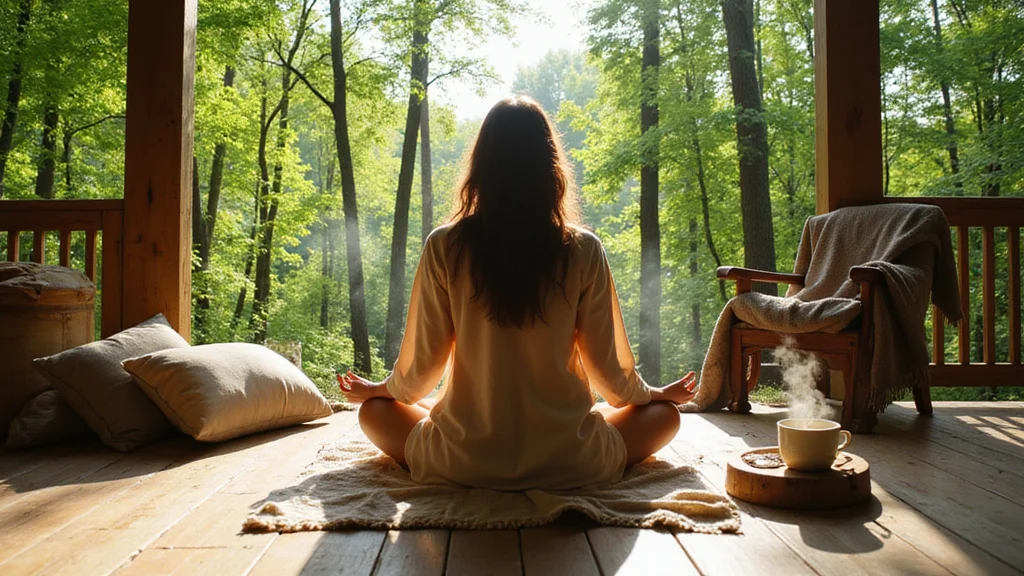
Meditation has been a soothing balm for the mind, especially in our fast-paced world. If you’ve ever found yourself craving a moment of peace or a way to escape the chaos, you’re not alone. I created this post because I believe that everyone deserves the chance to discover a sense of calm and clarity. Whether you’re feeling overwhelmed by daily stress or simply looking for a new way to connect with yourself, these beginner-friendly meditation techniques are just what you need.
This guide is designed for anyone who is curious about meditation but might not know where to start. If you’re a beginner looking to cultivate mindfulness and bring some tranquility into your life, this is for you. You don’t need to be an expert or have any special equipment. You just need a willingness to try something new. In this post, you’ll find 11 meditation techniques that are calming and accessible, empowering you to change your mindset and enrich your daily life.
With these techniques in hand, you’ll not only learn how to meditate but also uncover ways to integrate mindfulness into your everyday routine. From enhancing your focus to reducing anxiety, the benefits are rich and varied. So, let’s dive in and explore these practical methods that can help you start your meditation practice today!
Key Takeaways
– Discover 11 beginner-friendly meditation techniques that anyone can practice, regardless of experience.
– Learn about mindful breathing as a simple yet powerful way to center your thoughts and calm your mind.
– Explore the body scan technique to enhance your awareness of physical sensations and promote relaxation.
– Understand how guided visualization can help you create a mental escape, reducing stress and improving focus.
– Find out how loving-kindness meditation can cultivate compassion toward yourself and others, enriching your emotional wellness.
1. Mindful Breathing
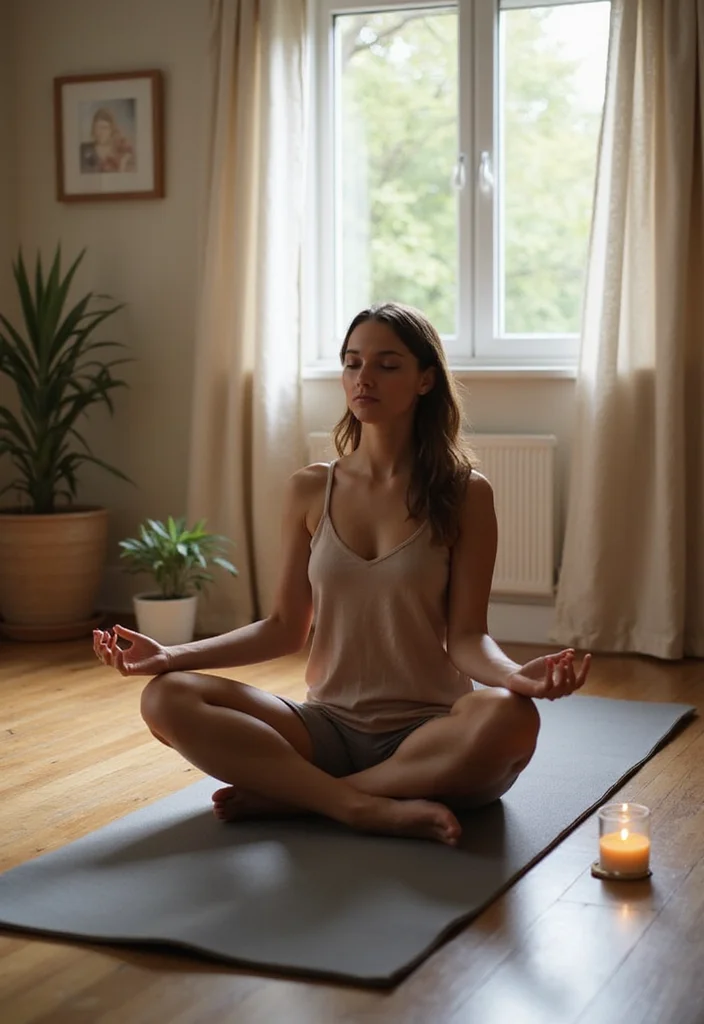
You might be surprised at how powerful your breath can be in calming your mind. Mindful breathing invites you to simply focus on inhaling deeply through your nose, letting your abdomen expand, and then exhaling slowly through your mouth. This technique is accessible and can be done anywhere, making it a fantastic starting point for your meditation journey.
Begin with just five minutes daily, paying attention to the sensation of each breath. This simple practice grounds you in the present moment and eases racing thoughts.
To get started, consider these tips:
– Find a quiet place to minimize distractions.
– Set a timer to help you concentrate without checking the clock.
– If your mind wanders, gently bring your focus back to your breath.
Over time, you’ll discover a clearer mind and a more relaxed state of being. This technique is perfect for anyone new to meditation.
2. Body Scan

If you’re looking for a way to connect with your body and release stress, Body Scan meditation is a fantastic option. You can comfortably practice this technique while lying down or seated. It helps you tune into physical sensations and promotes relaxation.
Start by focusing on your feet, noticing any feelings, then gradually move your attention up your body—through your ankles, knees, and thighs—until you reach the top of your head. This makes you more aware of where you hold tension.
Here are some pointers to enhance your experience:
– Take your time with each body part.
– When you sense tension, breathe into it and imagine it softening.
– This practice is especially beneficial before sleep, guiding you into relaxation.
With regular practice, you’ll feel lighter and more in tune with your body.
How To Choose the Right Meditation Technique
Finding the right meditation technique can feel overwhelming, especially if you are just starting out. With various styles and practices available, it’s important to choose one that fits your needs and lifestyle. Here are some tips to help you select the best meditation technique for you:
1. Consider Your Goals
Think about what you hope to achieve through meditation. Are you looking for stress relief, improved focus, or emotional healing? Identifying your goals will help you narrow down your options. For instance, if stress reduction is your main aim, techniques like Mindful Breathing or Loving-Kindness Meditation could be perfect for you.
2. Assess Your Time Commitment
Different meditation techniques require varying amounts of time. Some practices, like Guided Visualization, may take longer, while others, like Mindful Breathing, can be done in just a few minutes. Consider how much time you can realistically commit each day. If you’re busy, starting with shorter sessions can help you build a habit without feeling overwhelmed.
3. Explore Different Styles
Don’t hesitate to try out several meditation styles to see what resonates with you. Options include Body Scan, Zen Meditation (Zazen), or Sound Meditation. Each style offers unique benefits, and experimenting can lead to a deeper understanding of what you enjoy. Keep an open mind and allow yourself to explore.
4. Choose a Comfortable Environment
Your meditation space can significantly affect your experience. Look for a calm and quiet spot where you feel safe and relaxed. Some techniques, like Nature Meditation, can be practiced outdoors, while others may require a quiet room. Creating a soothing atmosphere enhances your practice and can help you focus better.
5. Find Resources and Support
Consider the availability of resources, such as apps, videos, or local classes that can guide you in your chosen technique. If you’re interested in Guided Visualization or Mantra Meditation, there are many excellent apps that provide structured guidance. Having the right tools can help you stay motivated and deepen your practice.
6. Listen to Your Body and Mind
Meditation should feel good and bring you peace. If a particular technique feels uncomfortable or doesn’t resonate with you, don’t hesitate to switch to another. Pay attention to how you feel during and after your practice. The right technique will leave you feeling calm and centered.
Pro Tip: Start with just five minutes a day! This small commitment can help you build a lasting habit without feeling overwhelmed. Gradually increase the time as you become more comfortable with the practice. Remember, consistency is key to reaping the full benefits of meditation!
3. Guided Visualization
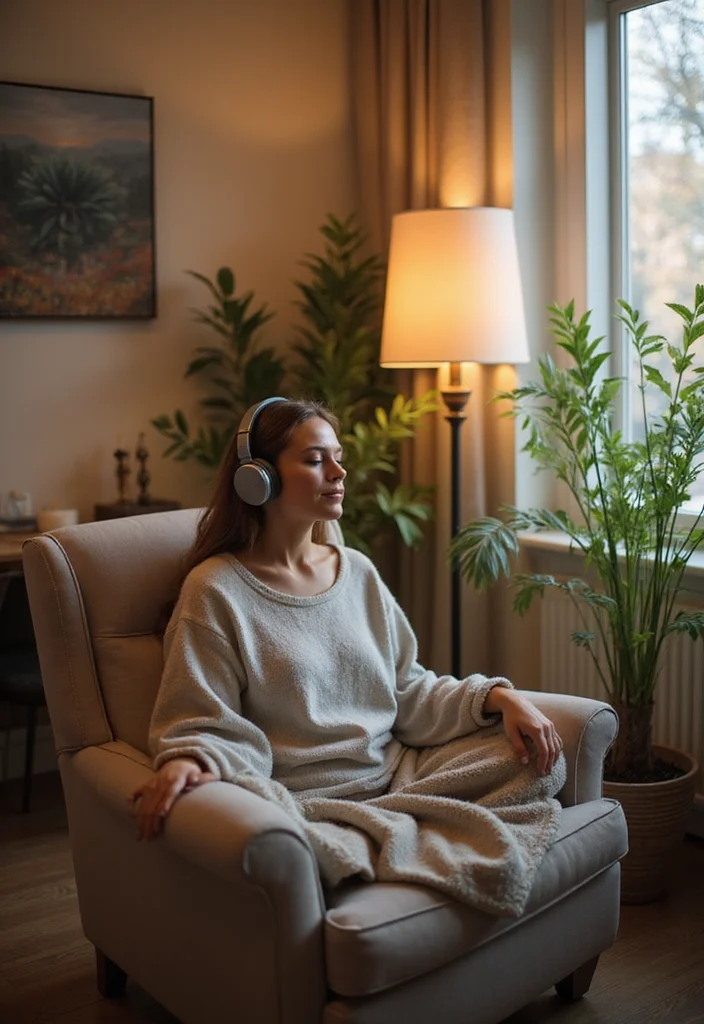
Imagine escaping to a serene place where stress melts away. Guided visualization makes this possible by combining imagination with relaxation. You’ll listen to a narrator guiding you through calming scenes, such as a peaceful beach or a quiet forest.
This method is available through various apps and online videos designed for mindfulness. It’s an engaging way to relax for beginners.
To maximize your experience:
– Find a cozy spot where you won’t be disturbed.
– Use headphones for a more immersive sound experience.
– Engage fully with the imagery to deepen your relaxation.
Letting your imagination flow can transport you away from daily stressors, creating a beautiful escape.
📹 Related Video: 10 Minute Guided Imagery Meditation | City of Hope
4. Mantra Meditation
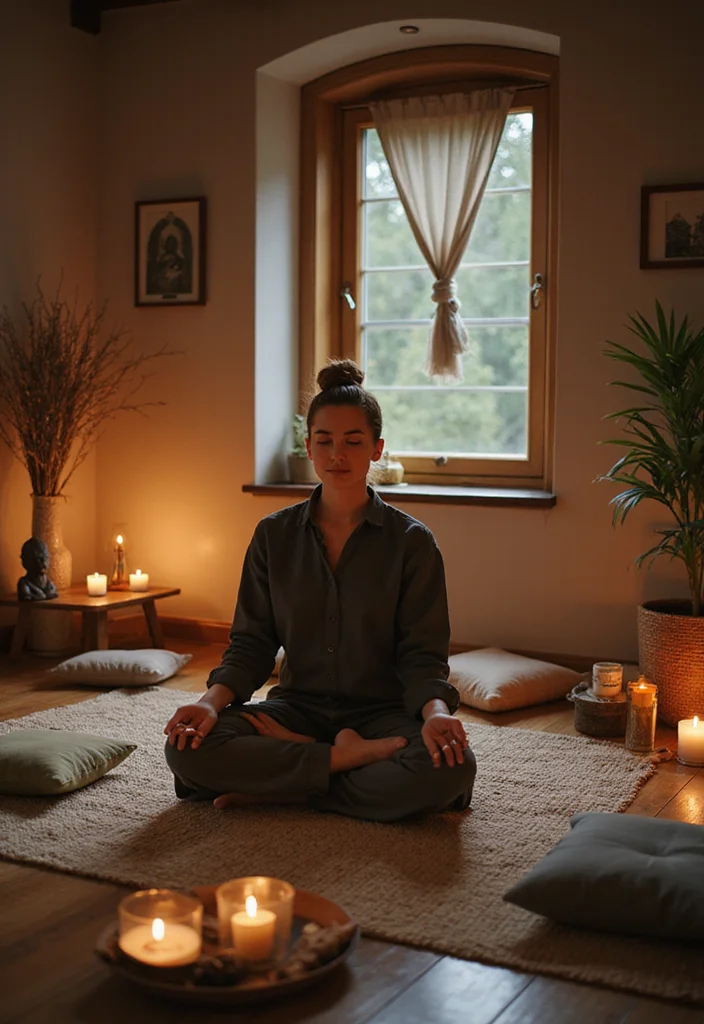
Looking for a way to focus your mind? Mantra meditation involves repeating a specific word or phrase, which helps anchor your thoughts. It can be as simple as saying ‘peace’ or ‘love,’ or you might choose a traditional mantra like ‘Om.’
This practice can be done aloud or silently, making it versatile and simple.
To get started, follow these steps:
– Select a mantra that resonates with you personally.
– Sit comfortably with your eyes closed.
– Begin repeating your mantra, allowing it to become a gentle rhythm in your mind.
As you practice, you may notice your thoughts drifting. When this happens, calmly return your focus to your mantra. Over time, this method can cultivate a lasting sense of calm and clarity.
5. Walking Meditation
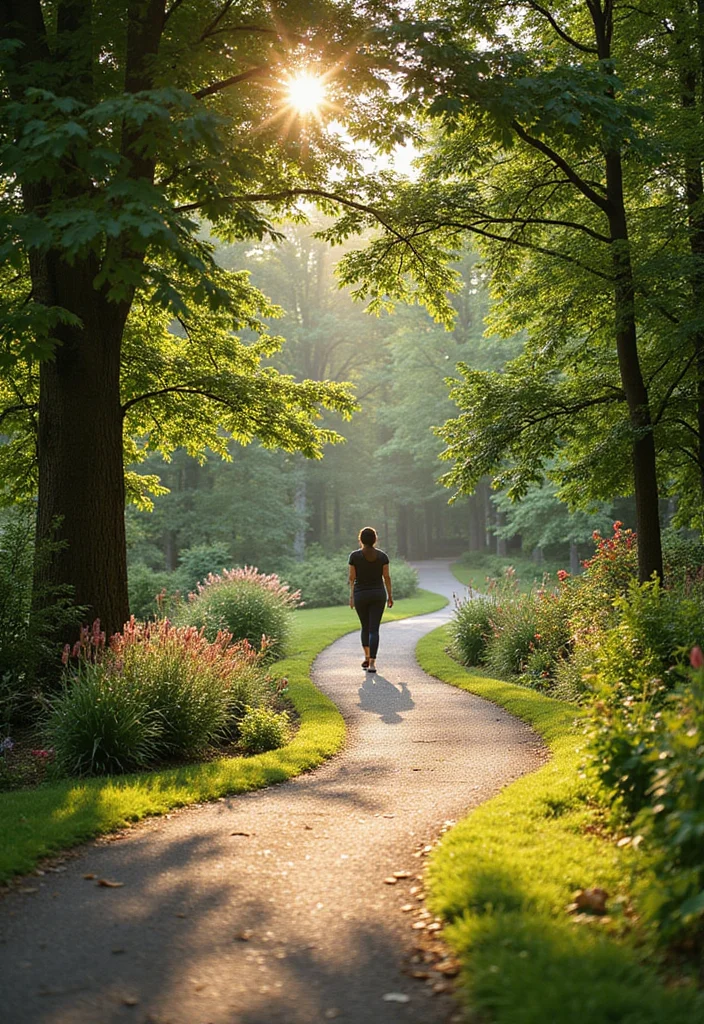
If sitting still feels difficult, walking meditation could be your solution. This practice combines movement with mindfulness, drawing your focus to each step you take.
Start by walking slowly in a quiet area, paying attention to how your feet touch the ground. Feel the sensation of each footfall and the rhythm of your breath.
To practice effectively:
– Choose a space where you can walk undisturbed.
– Move slowly and deliberately, enjoying each step.
– When your mind wanders, gently return your focus to your breathing and steps.
This technique helps you connect with your surroundings while incorporating mindfulness into your day.
You might also like
15 Quick Stress Relief Techniques for Busy Lives – 5-Minute Tips

19 Summer Skincare Tips That Will Keep Your Skin Glowing All Season Long (Don't Miss #8!) – The Glow Grove HQ | Skincare Tips, Clean Beauty & Women's Wellness
6. Loving-Kindness Meditation
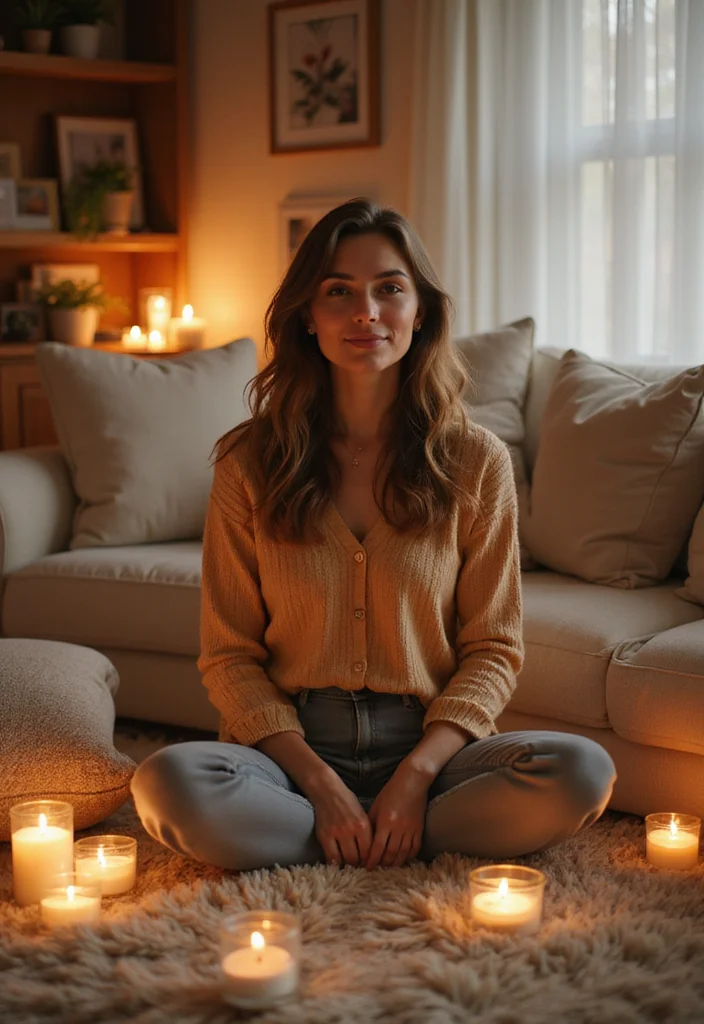
Want to nurture a positive mindset? Loving-kindness meditation focuses on cultivating love and compassion, starting with yourself and extending to others. It’s a beautiful practice for enhancing emotional well-being.
Begin by finding a comfortable position and silently repeating phrases like, ‘May I be happy, may I be healthy, may I be safe.’ After a few minutes, extend these wishes to loved ones, and even to those with whom you may have conflicts.
For this practice:
– Allow feelings of warmth and kindness to fill your heart.
– Visualize the people you’re focusing on and send them your good wishes.
– This technique can shift your perspective towards greater empathy and compassion for yourself and others.
With consistent practice, you’ll foster a kinder mindset that can transform your interactions.
7. Zen Meditation (Zazen)
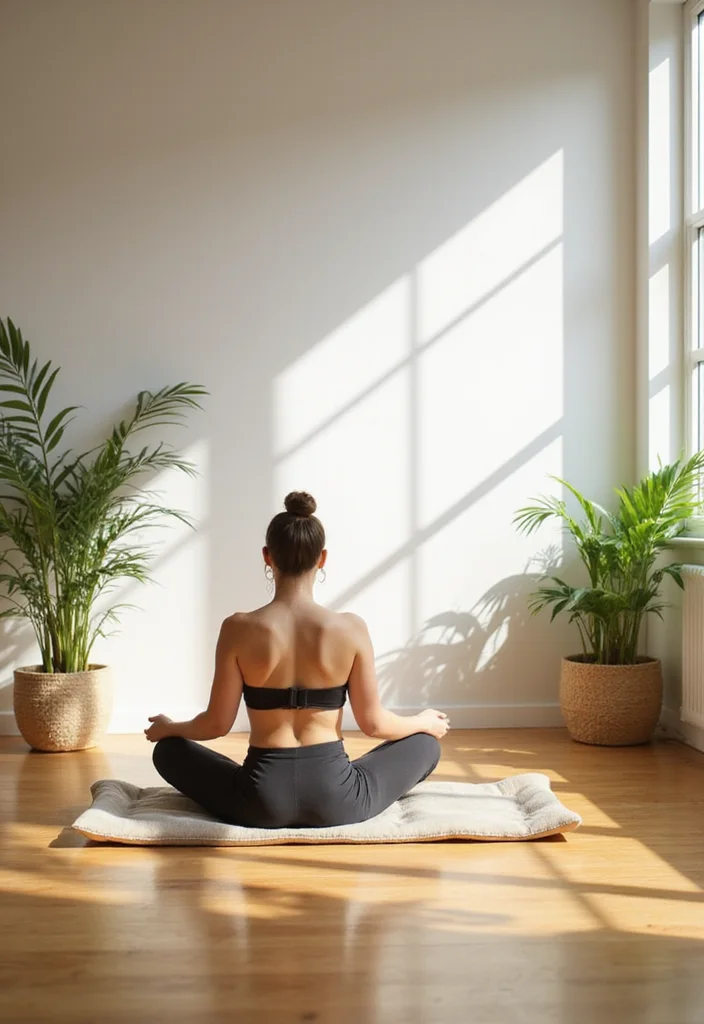
If you’re seeking a straightforward meditation practice, Zen meditation, or Zazen, may be for you. This technique emphasizes seated meditation and mindfulness, typically on a cushion or chair with your back straight.
Focus on your breath, allowing thoughts to come and go without attachment. Start with short sessions and gradually increase the time as you become more comfortable.
Here’s how to practice:
– Maintain a straight posture with hands resting in your lap or on your knees.
– Observe your breath without trying to change it.
– When thoughts arise, acknowledge them and gently return your focus to your breath.
This simple yet profound practice helps clear your mind and develop a strong sense of presence.
8. Journaling Meditation
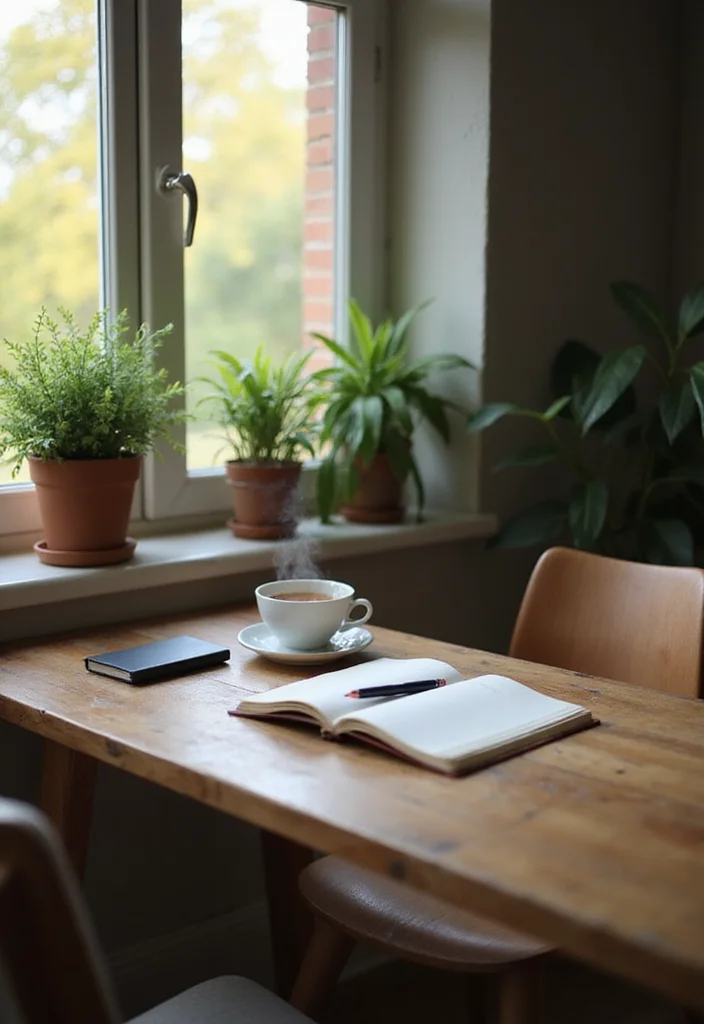
If you enjoy writing, journaling meditation is a fantastic way to combine reflective writing with mindfulness. It allows you to express thoughts and feelings while grounding yourself in the moment.
Set aside time each day to write freely without self-judgment. Start with prompts like ‘What am I grateful for?’ or ‘How do I feel today?’
For effective journaling meditation:
– Find a quiet, comfortable spot to write.
– Set a timer to alleviate pressure and create an open environment for thoughts.
– Write freely without worrying about grammar or structure.
This practice can reveal insights into your emotions, making it a powerful tool for self-discovery.
9. Nature Meditation
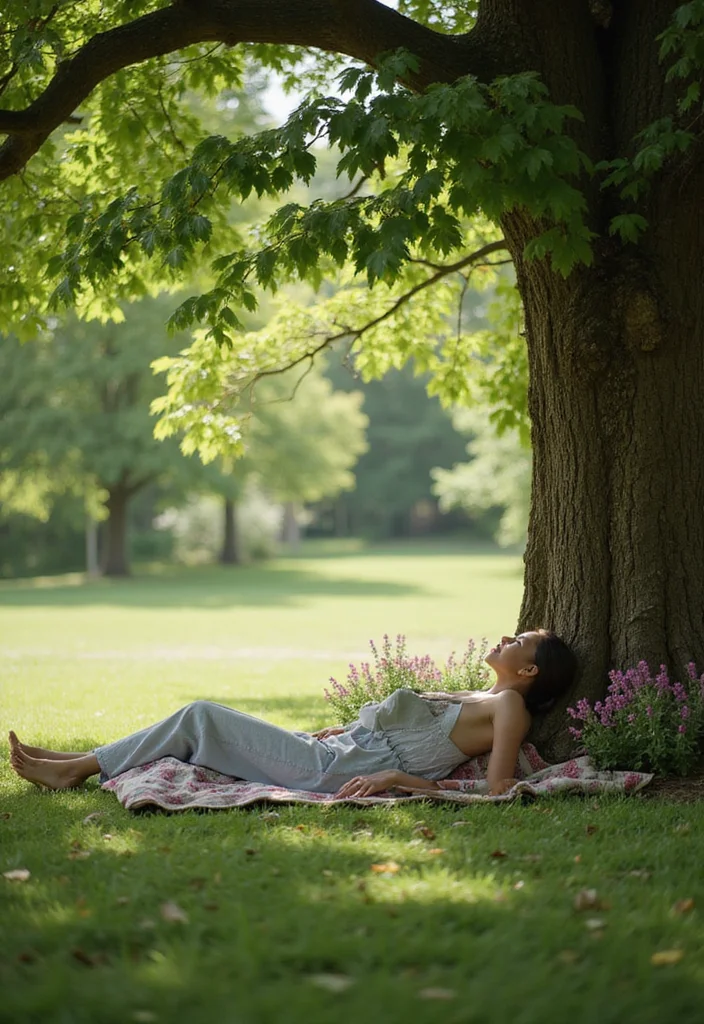
If you long for peace and grounding, nature meditation invites you to connect with the outdoors. Find a serene spot in a park, garden, or your backyard, and immerse yourself in the natural world.
Begin by sitting or lying down, focusing on sounds like birds chirping or leaves rustling.
To practice effectively:
– Engage your senses; notice the smells, sounds, and textures around you.
– Take deep breaths, connecting with the fresh air.
– If your mind wanders, gently bring it back to the natural elements around you.
This technique calms the mind and deepens your appreciation for the world around you.
You Might Also Like

10 Best Anti-Aging Creams That Actually Work – Dermatologist Approved – The Glow Grove HQ | Skincare Tips, Clean Beauty & Women's Wellness

15 Stunning Makeup Tutorials That Will Make You Feel Like a Pro (You Won't Believe #7!) – The Glow Grove HQ | Skincare Tips, Clean Beauty & Women's Wellness
10. Sound Meditation
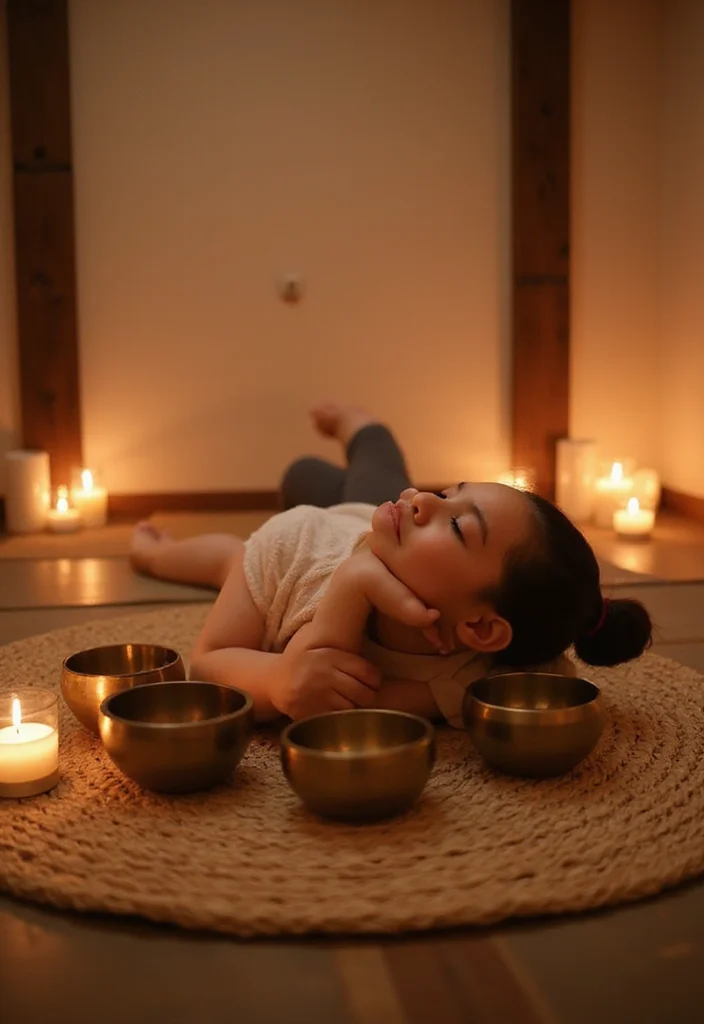
Looking for a unique way to meditate? Sound meditation uses sounds—like singing bowls, gongs, or nature sounds—to help you reach a meditative state. The vibrations promote relaxation and help release stress.
You can find recordings online or attend a class focused on sound meditation.
Here’s how to engage in this practice:
– Find a comfortable spot, either sitting or lying down.
– Close your eyes and focus on the sounds, letting them wash over you.
– Notice how the sounds resonate within you, drawing you into a deeper state of relaxation.
This technique offers a fresh sensory experience in meditation that can be deeply enriching.
11. Aromatherapy Meditation
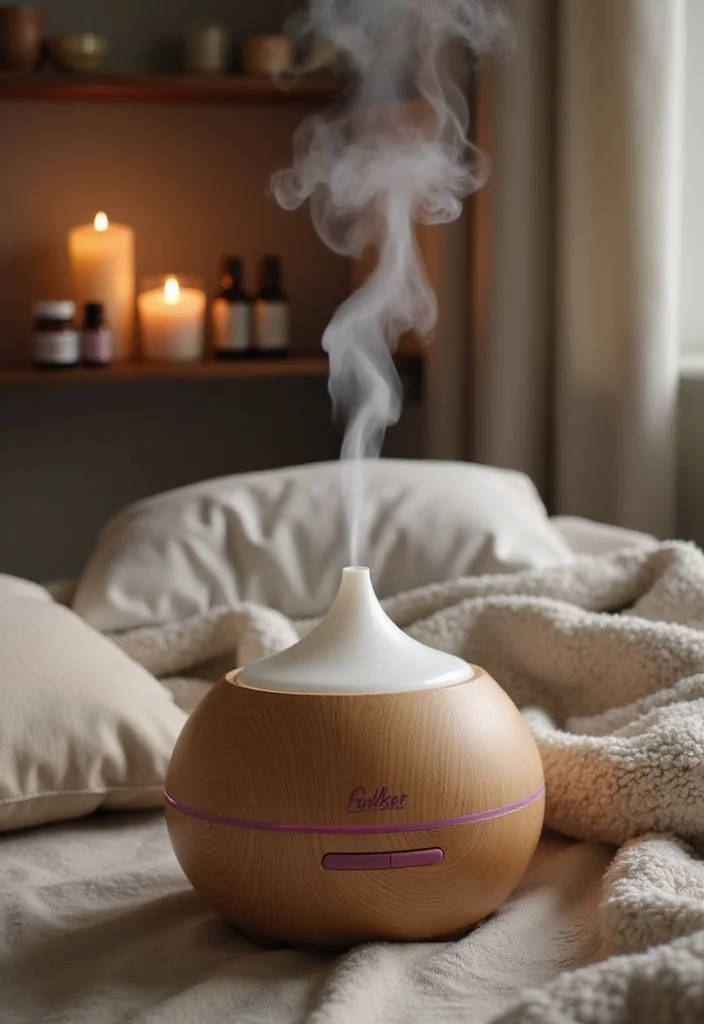
Enhance your meditation with scents! Aromatherapy meditation combines the calming effects of essential oils with mindfulness practice. Oils like lavender, chamomile, or sandalwood can significantly boost relaxation and focus.
Set up your space with a diffuser or have oils ready to use.
Follow these steps:
– Choose an essential oil that resonates with you and diffuse it in your meditation area.
– Sit comfortably and focus on your breath while inhaling the scent.
– Let the aroma deepen your meditation, enhancing your sense of calm.
This technique engages your sense of smell, creating a more holistic and enriching experience.
Conclusion
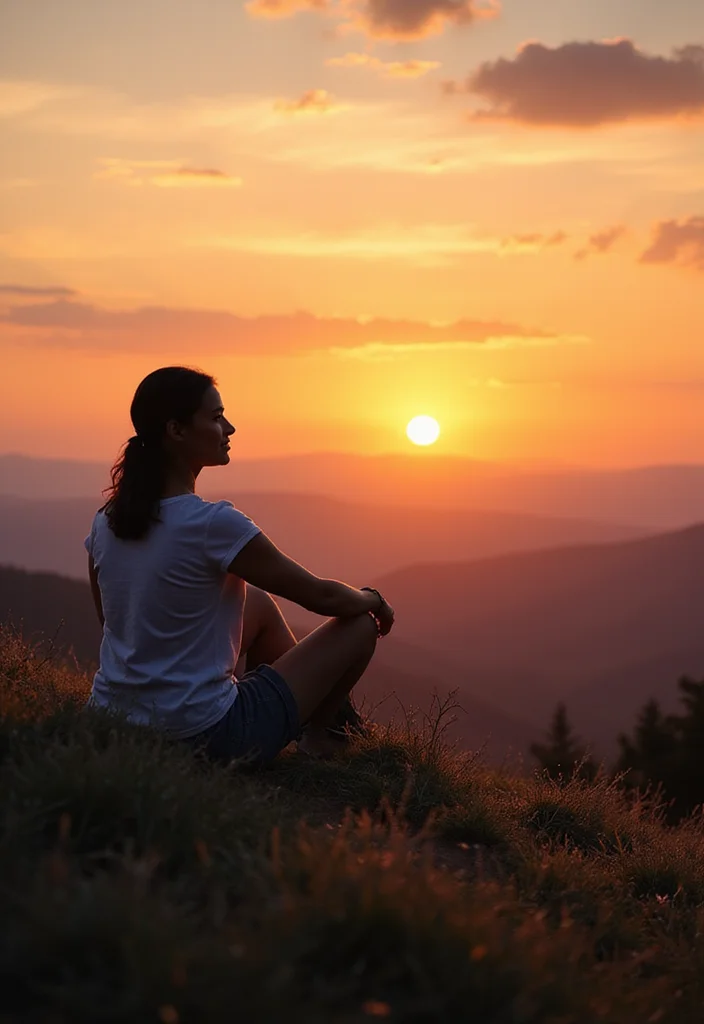
These 11 meditation techniques are just the beginning of your journey into mindfulness. Each offers unique benefits, and you can mix and match to find what resonates with you best.
The important thing is to start somewhere, even if it’s just for a few minutes each day.
As you continue, you’ll likely notice a shift in your mindset and overall well-being. Embrace the calm and let these practices become a part of your daily routine.
Note: We aim to provide accurate product links, but some may occasionally expire or become unavailable. If this happens, please search directly on Amazon for the product or a suitable alternative.
This post contains Amazon affiliate links, meaning we may earn a small commission if you purchase through our links, at no extra cost to you.
Frequently Asked Questions
Question: What are the most effective meditation techniques for beginners to change your mindset?
Great question. There isn’t a one-size-fits-all answer, but several beginner-friendly meditation techniques can noticeably change your mindset when practiced consistently. Start with these solid options: mindful breathing (focus on the inhale/exhale and gently return when the mind wanders), body scan (scan from toes to head and release tension), loving-kindness meditation (metta) to boost self-compassion, and a short walking meditation that anchors awareness to each step. For best results, practice 5–10 minutes daily for a couple of weeks, then gradually extend to 15–20 minutes if you can. Remember, the goal is to cultivate a calm, attentive state, not to “force” a perfect session. As you grow cozy with these, you can explore the other meditation techniques listed in the article to keep expanding your toolkit and your calming mindset.
Question: How long should beginners practice meditation to see results?
Most people notice mood and focus improvements after a consistent stretch, but real mindset changes build with ongoing practice. Start with a daily 5–10 minute session for about 2 weeks, then adjust based on how you feel. Try to practice regularly, ideally 5–6 days a week. You can split sessions into morning and evening, or weave a short session into daily routines. Even 2 minutes of mindful breathing can reduce stress in the moment. The key is beginner-friendly consistency; over time you’ll likely notice calmer days, better focus, and a more resilient outlook.
Question: Can meditation techniques help with stress and anxiety in daily life?
Absolutely. Meditation techniques calm the nervous system, reduce rumination, and lower perceived stress. Regular practice builds resilience so you react to daily pressures with more pause than fight-or-flight. In the moment, you can use quick techniques like box breathing (inhale 4, hold 4, exhale 4, hold 4) or a 1-minute body scan to regain calm. A daily routine of around 10 minutes can lower baseline anxiety over weeks. Focus on calming habits, not perfection, and remember the article’s range of beginner-friendly options to suit your day.
Question: What is a simple beginner-friendly meditation routine I can start today?
Here’s a practical 10-minute routine you can start right now: 0–2 min: sit comfortably and anchor to your breath; 2–5 min: do a gentle body scan from toes to head; 5–8 min: practice loving-kindness or gratitude toward yourself and others; 8–10 min: close with a short moment of intention for the day. Keep your shoulders relaxed, jaw unclenched, and breathe naturally. Use a timer to remove clock-watching, and if your mind wanders, gently re-anchor. This routine is beginner-friendly and calming, and you can repeat daily or whenever you need a reset.
Question: How do I choose the right meditation technique for my personality and goals?
Start by clarifying your goal: calm, focus, compassion, or energy. Then try 2–3 techniques for 1–2 weeks each and notice which one fits your routine and leaves you feeling best. If you want calm during stress, try mindful breathing or a body scan. If you’re seeking more compassion, loving-kindness is a strong choice. For better focus, consider a simple mantra or breath-counting. The article’s collection of beginner-friendly options makes it easy to experiment. Keep a short journal to track what feels calming and sustainable for you.
Related Topics
meditation techniques
mindfulness practices
beginner-friendly
calming exercises
stress relief
5-minute meditations
guided meditations
breathing techniques
mindset shift
self-care routines
daily mindfulness
easy meditation
I love how you broke down these meditation techniques! I tried a few of them this week and felt so much calmer. Have you ever tried meditating outside in nature?
Did you know that meditation can actually change the way your brain works? It’s pretty wild! I tried meditating for just five minutes a day, and I felt a huge difference in my focus.