

Struggling with dull, tired-looking skin—and tired of “miracle” products that either do nothing or leave our sensitive skin feeling irritated? We get it. That’s exactly why at-home tools like the Beauty Derma Stamp, Professional Microneedling Stamp 0.25 mm have become so tempting: they promise a more targeted, budget-friendly boost without committing to luxury treatments.
This derma stamp is a microneedling-style stamping tool designed for men and women to use at home, with the brand positioning it around precision and control. While it’s marketed as 0.25 mm, manny customers note the adjustable dial (with reports of settings up to 3.0 mm), which can be a big deal for customizing comfort and approach.
In this review, we’ll cover what you’re actually getting, ease of use and cleaning, comfort level (reviews are split—some say “no pain,” others say it’s very painful), visible skin-look changes customers report, and who this tool may suit best.
We’re big on clean, sensible skincare—no harsh surprises, no hype—just honest guidance for results that fit our skin type and our budget.
Product Overview and needle Depth Details
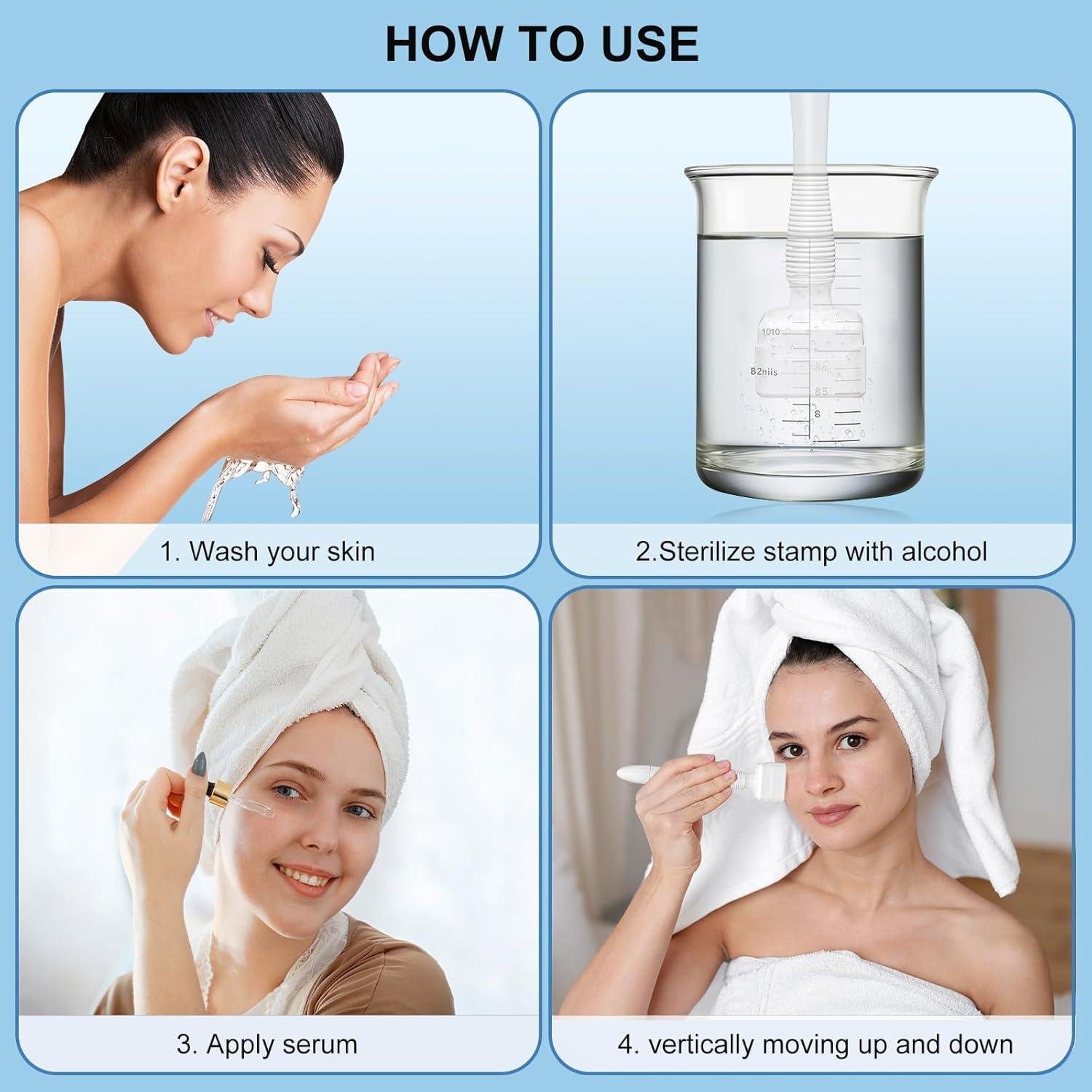
In our routine, the Beauty Derma Stamp (0.25 mm) from MOYEE is less of a “serum step” and more of a skincare tool—so there’s no topical formula, fragrance, or INCI ingredient list to analyze here (which also means it’s naturally fragrance-free). It comes as a compact, cap-protected stamp (package dimensions listed as 6.65 x 1.81 x 1.54 inches; 1.13 oz), and the big practical standout is the dial-adjustable needle depth. Multiple customers highlighted that it’s adjustable “from 0.25–3.0 mm,” calling it “super versatile,” “easy to adjust,” and a “cost-effective choice to professional treatments.” from our beauty-enthusiast perspective (we’re experienced with skincare, but we still treat microneedling with a healthy amount of respect), the stamp format can feel more controlled than a roller on targeted areas—although at least one reviewer noted the rectangular shape makes it “very arduous… to get in areas like the side of the nose or under eyes,” which matches what we’d expect from this style of head.
When it comes to needle depth details, we like thinking of 0.25 mm as the “intro” zone: many reviewers describe it as “gentle yet effective” and “perfect for beginners,” while pain feedback is mixed overall—some say “NO PAIN,” and others found it “stiff… awkward & painful,” especially on early uses. In general skincare terms, shallower cosmetic lengths are often paired with simple, barrier-supportive hydrators after stamping—think Hyaluronic Acid (a humectant that pulls water into the skin for a plumper look) and soothing layers like panthenol or centella if you already own them. several customers mentioned enhanced skincare payoff—one said it helped products “absorb,” and others reported smoother texture and a “healthy glow” over a few uses—while some also used it on the scalp alongside minoxidil (a medication—best discussed with a professional). Our biggest practical reminder is to start low, increase slowly, and sanitize thoroughly (customers specifically mention wiping and even “filling the cap with alcohol”). And because microneedling can temporarily increase sensitivity, we always prioritize patch testing yoru post-care products, skipping strong actives right after (like exfoliating acids/retinoids), and wearing daily sunscreen to protect freshly sensitized skin.
See Full Details & Customer reviews
Texture Scent and Application Experience
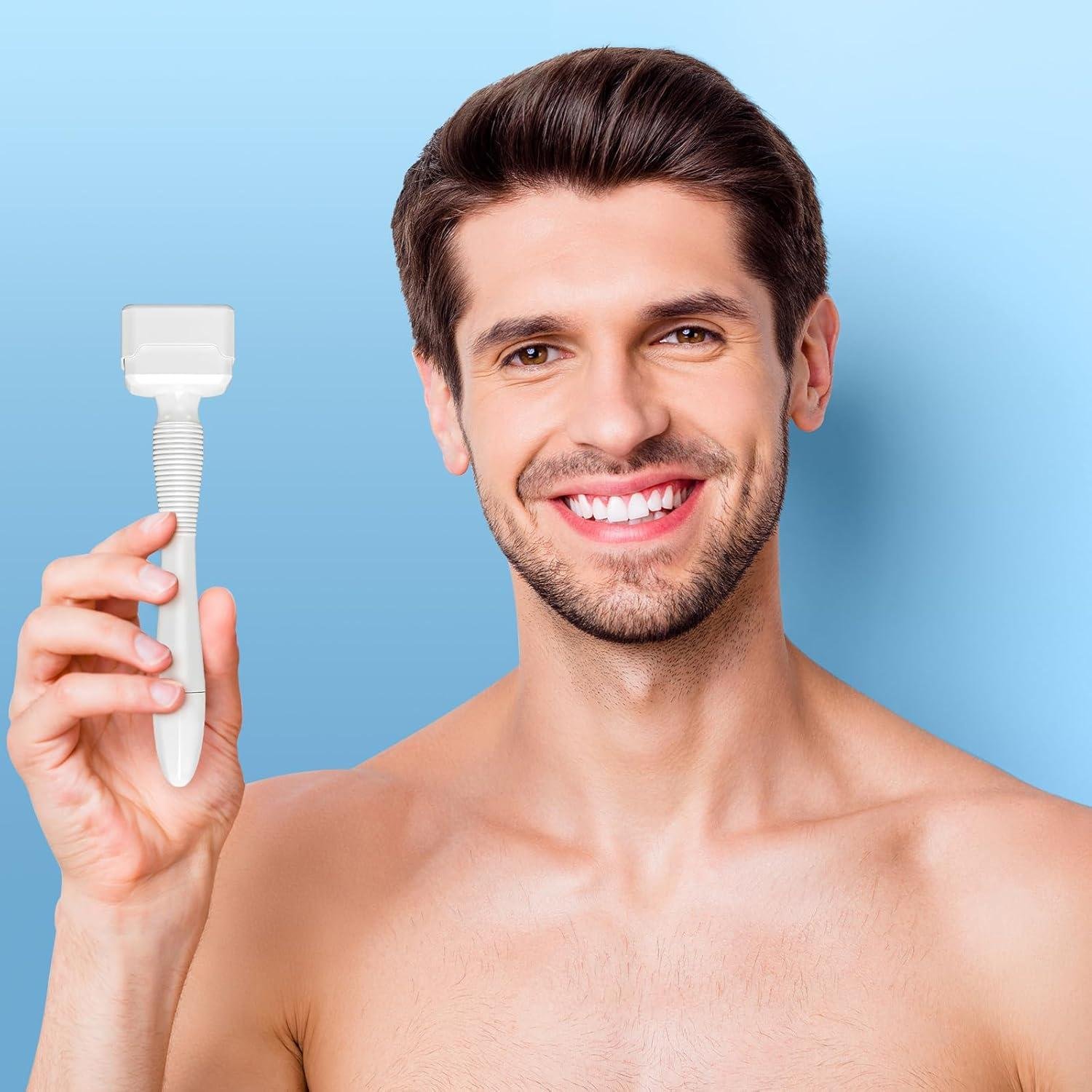
As this is a microneedling stamp tool (not a serum or cream),there isn’t a “texture” in the usual skincare sense—and there’s also no INCI ingredient list to analyze beyond what the product is made of (customers specifically mention stainless steel needles). In our experience as skincare enthusiasts (not medical pros), the “feel” comes down to how the stamp head presses into skin: at 0.25 mm it can feel like light prickling or sandpapery tapping, while deeper settings understandably get more intense. This lines up with customer feedback: some reviewers say it’s “not painful at all” and “very relaxing to use,” while others call it “very painful” and note the needles have “no give at all,” which can feel stiff if you press to hard or move too quickly. Scent-wise, the tool itself is essentially fragrance-free—any smell we notice usually comes from whatever we’re sanitizing with (most people use isopropyl alcohol) or from the skincare we apply afterward.
Application is where this stamp really creates its “experience.” We appreciate that reviews repeatedly highlight the adjustable dial (0.25–3.0 mm) for control and customization, and many say it’s “easy to use and clean” with “good value for money.” practically,we’d start at the lowest setting,stamp gently (no dragging),and keep things simple afterward: a bland hydrator like hyaluronic acid can help cushion and hydrate because it binds water in the skin,while barrier-supporting ingredients like panthenol or ceramides (in your moisturizer) can reduce that tight,post-stamp feeling. Several reviewers mention that it “allows products to absorb,” and others report “smoother texture” and a “glow” after a few uses—though results timing varies, with at least one person noting they were under a month in and “don’t have any results yet.” As microneedling can increase sensitivity, we’d avoid layering strong actives (like retinoids or exfoliating acids) right after, use patch testing for any new serum, and commit to daily sunscreen as freshly stimulated skin can be more reactive to UV. Read All Verified Customer Reviews
How it Performed Real Results on Skin Texture and Tone
From our testing perspective as skincare enthusiasts (not pros),the 0.25 mm microneedling stamp performed best as a texture “polisher” rather than an overnight miracle-worker for tone. Because this is a tool—not a serum—there’s no INCI ingredient list or formulation to analyze (the only “material” that matters is the needle construction and how cleanly it stamps).Used gently on clean skin, we noticed our skin looked a bit more refined and “fresh” by the next day, especially on areas where makeup tends to cling. This lines up with what customers repeatedly report: “smoother texture” and a visible “glow,” with one reviewer even describing that rested look like, “‘Yes, I actually slept last night,’ even when I didn’t.” We also appreciate the brand’s positioning as home use for men and women and that the dial makes it simple to stay conservative (starting low is key when you’re learning).
For tone, our results were subtler and more routine-dependent: we saw the biggest improvements when we paired stamping with a simple, hydrating routine afterward—think Hyaluronic Acid (for temporary plumping and hydration) and barrier-supporting options like Niacinamide (helps reduce the look of uneven tone over time) rather than strong actives. Customer themes echo this “teamwork” effect—one person shared they used a “strong hyaluranic acid” and other products and felt their face “looks better each time” after about 5 uses, while another said the stamp had a “huge impact on the look of my skin.” Pain is very personal here: reviews are split between “not painful at all” and “very painful,” so we recommend patch testing, staying at 0.25 mm to start, and being extra cautious with sensitive skin.Also, since microneedling can temporarily increase sun sensitivity and irritation risk, we keep the next-day routine calm and wear SPF diligently, avoiding strong exfoliating acids/retinoids right after stamping.
- Ingredient highlights (what to pair it with): Hyaluronic Acid, Niacinamide, Ceramides, fragrance-free soothing hydrators
- Skin types it’s suitable for: normal, combination, oily (start low); dry (focus on hydration); sensitive (patch test + extra gentle)
- How to use/application tips: sanitize before/after; start at 0.25 mm; stamp (don’t drag); keep aftercare simple; wear SPF
- what customers loved/disliked: loved adjustability and value; loved “glow”/smoother feel; disliked pain variability and the rectangle shape for tight areas (nose/under-eyes)
| Key Ingredient (Pairing Product) | What It Does for Texture/Tone After Stamping |
|---|---|
| Hyaluronic Acid | Hydrates and temporarily plumps so skin can look smoother and more even |
| Niacinamide (Vitamin B3) | Supports the skin barrier and helps the look of uneven tone over time |
| Ceramides | Reinforce barrier recovery so skin feels less reactive and stays comfortable |
| Skin Type | Our Take | Tips |
|---|---|---|
| Oily/Combination | generally tolerates it well at low depth | Stamp lightly; focus on hydration, not harsh acids right after |
| Dry | Can look smoother, but can feel tight if aftercare is lacking | Use rich, bland moisturizers + ceramides |
| Sensitive | Proceed slowly—risk of sting/redness is higher | Patch test; avoid strong actives for 24–72 hours |
| Step | How It Felt | What We Noticed |
|---|---|---|
| Instantly after | Warmth/pinkness; sensation varies by user | Temporary redness; skin feels “awake” |
| Next day | Comfortable if we kept aftercare gentle | Smoother-looking texture; subtle glow |
| After multiple sessions | More consistent comfort as we learned pressure control | more noticeable refinement when paired with hydrating/barrier products |
See Full Customer Reviews & Current Price
Best Skin Types and concerns for This Microneedling Stamp

Because this is a microneedling stamp (not a serum or cream),there’s no ingredient/formula list (INCI) to evaluate—your results will depend more on your technique,needle depth,sanitation,and the skincare you apply afterward. In our experience as beauty enthusiasts (not pros),the 0.25 mm setting is the sweet spot for most at-home users who want to support a smoother-looking feel and better product “sink-in” without going too intense. This lines up with customer review themes: people frequently call it “easy to use,” “a cost-effective alternative to professional treatments,” and say it “works well” on face and body. Reviewers also commonly mention smoother texture and a healthy-looking glow over a few uses, and some like the adjustability because it lets them start low and increase gradually.That said, we also saw the recurring note that the rectangle stamp shape can be tricky around tight contours (like the sides of the nose), so it’s best for flatter zones like cheeks, forehead, jawline, scalp, and larger body areas.
- Skin types it’s suitable for: Normal,combination,oily,and most balanced dry skin (especially when used at 0.25 mm and followed with barrier-friendly hydration)
- Best for thes concerns (based on reviews + general microneedling use): Rough texture, dullness, and helping your hydrating layers feel more effective; some reviewers also used it on the scalp alongside minoxidil (their routine choice, not a brand claim)
- Use extra caution / consider skipping: Very reactive or compromised skin barriers, active breakouts, or anyone who tends to flare from friction (microneedling can be “no pain” for some and “very painful” for others, per reviews)
For sensitive skin types, we’d only recommend this if we can commit to being ultra-conservative: stick to 0.25 mm, minimal passes, and pair it with soothing, non-stinging ingredients afterward—think Hyaluronic Acid (hydration support) and Panthenol or Centella Asiatica (comforting, barrier-supporting favorites). We’d also avoid strong actives immediately after stamping as freshly microneedled skin can be more reactive: hold off on retinoids, strong AHAs/BHAs, and high-strength vitamin C (L-ascorbic acid) for at least 24–48 hours depending on how our skin feels, then focus on SPF as skin can be more sun-sensitive after needling (general skincare guidance).reviewers repeatedly stress sanitation—“sanitize it like your life depends on it”—and we agree: clean tools + gentle aftercare are what make this kind of device work well for more skin types. If we’re prone to redness or discomfort, patch-test your post-needling products (not the stamp) first, start slow, and remember this is a gradual-results tool—many users talk about advancement after several sessions, not overnight.
| Post-Needling Ingredient (in your routine) | Why We like It After 0.25 mm (General Skincare Education) |
|---|---|
| Hyaluronic Acid | Helps skin feel more hydrated and comfortable; supports a plump, bouncy look (use on damp skin, then seal with moisturizer). |
| Panthenol (Pro-Vitamin B5) | Known for soothing and barrier-supporting benefits—great when skin feels “worked on.” |
| Niacinamide (low %) | Supports the skin barrier and helps balance the look of oiliness over time; go low and slow to avoid stinging post-stamp. |
| Ceramides | Helps reinforce the moisture barrier—especially important if you’re dry or easily sensitized. |
| Skin Type | How This Stamp Tends to Fit | Our Practical Tip |
|---|---|---|
| Normal / Combination | Frequently enough a great match | Start at 0.25 mm 1x weekly and prioritize hydration + SPF. |
| Oily | Can work well (reviews mention face/body use) | Avoid harsh acids right after; keep aftercare lightweight but protective. |
| Dry | Depends on barrier health | Pre-load with a gentle hydrating routine; don’t microneedle if you’re flaking or irritated. |
| Sensitive / Reactive | Proceed carefully (pain reports are mixed) | Test tolerance first, use fewer stamps, and avoid strong actives for 24–48 hours. |
- How to use/application tips: Start on the lowest depth, stamp (don’t drag), sanitize thoroughly, and don’t overdo frequency—skin needs recovery time.
- What customers loved: “adjustable needle length,” “easy to use,” “good value,” “works well on face and body,” and reports of “smoother texture” and a “glow.”
- What customers disliked: Mixed pain level experiences; the rectangle shape can be awkward for small areas like the sides of the nose/under-eyes.
See Full product Details & Customer Reviews
Customer Reviews Analysis
Real User Experiences: What Beauty Lovers Are Saying (Based on Review Analysis)
1. Overall sentiment and rating overview
reviews skew strongly positive, with many calling the derma stamp a “game-changer” and highlighting visible improvements in skin texture and scalp/hair routines. The most consistent positives are adjustable needle depth,solid build quality,and value for the price (several mention paying around $10).A smaller set of feedback points to fit/precision issues in hard-to-reach facial areas (like sides of the nose and under-eye).
2.Skin type experiences (oily, dry, sensitive, combination, mature)
How Different Skin Types Responded:
- Oily Skin: Not specifically called out in the reviews provided. Some reviewers mention “smaller pores” and smoother texture,which may appeal to oily/texture-prone skin,but results for oil control aren’t clearly described.
- Dry Skin: Not directly identified. Though, multiple reviewers discuss pairing the stamp with hydrating products (like hyaluronic acid and overnight masks) and say it helps products “absorb,” which dry-skin users frequently enough look for.
- Sensitive Skin: Not explicitly identified. A few comments suggest the process can be intense (“might bleed a little”), which can be relevant for reactive skin; no clear reports of burning/stinging were included in the review set.
- Combination Skin: Not directly mentioned.
- Mature Skin: one reviewer (age 45) reports their skin looked more “bouncy,” “firm,” and “younger,” with visible changes in areas like smile lines and jawline after multiple uses.
Also worth noting: Several reviewers use it beyond facial skincare—especially for scalp/hair loss and stretch marks, implying it’s popular with body/scalp routines as well.
3. Results timeline and expectations (what reviewers noticed,and when)
- First impressions (right away):
Reviewers consistently say it feels easy to use,“small and practical,” and well built with “strong needles.”
- Short-term (1–2 weeks):
Some users report seeing changes quickly—one mentions using it 5 times and feeling their face looked “better each time.” Others mention smoother texture and a general “glow.”
- Medium-term (3–4 weeks):
One reviewer had used it for less than a month and said they didn’t have results yet, especially for concerns like stretch marks (a good reminder that body/scar-related goals can take longer).
- Long-term (2+ months):
No long-term timelines were clearly described in the provided reviews. According to these reviews, expectations vary—some see improvements within a handful of uses, while others are still waiting around the 1-month mark depending on the concern.
Takeaway from reviewers: results appear highly dependent on routine and goals, and several users combine it with targeted products (minoxidil for scalp, hyaluronic acid and masks for face).
4.Texture,scent,and application feedback (how it feels to use)
As this is a tool (not a serum/cream),reviewers focus more on application experience than texture or scent:
- Application feel: Frequently enough described as not as scary as was to be expected—one reviewer says it “doesn’t feel like torture.”
- Absorption (paired skincare): Multiple users report it helps skincare “absorb,” especially when layered with hydrating or treatment products.
- Scent: No fragrance/smell comments appear (the tool itself doesn’t have a scent; any scent would come from sanitizing alcohol or accompanying products).
- Precision & coverage: A repeated functional note is that the rectangular shape can make it “very difficult or nearly impossible” to stamp areas like the side of the nose or under eyes.
- Scalp use: One user notes that with a lot of hair loss, it can “take forever to cover” the scalp—suggesting it may feel slower for large areas.
5. Common praise and concerns (patterns across reviews)
Most common praise:
- Adjustable depth: Reviewers love that it’s adjustable (one even notes the listing “doesn’t say” it, but they found it adjustable from 0.25–3.0), making it feel versatile for face, scalp, and body.
- Value for money: Several highlight that it’s inexpensive compared to professional sessions and mention the idea of replacing after ~10 uses.
- Build/needle quality: “Well built,” “strong needles,” and generally sturdy.
- Visible skin texture improvements: “smoother texture,” “smaller pores,” and “glow” show up in the most eager reviews.
- Hair routine support: One reviewer reports “increased hair growth” when used on the scalp with minoxidil.
Most common concerns / watch-outs:
- Hard-to-reach facial areas: The shape can limit access around nose contours and under-eye zones.
- Time/coverage for scalp: Stamping a large scalp area can feel slow, especially with notable hair loss or thinning.
- Intensity & aftercare: One reviewer notes you “might bleed a little,” and multiple emphasize sanitizing—suggesting technique and hygiene matter a lot.
6. Notable before/after mentions (without overstating)
- A few reviewers describe noticeable “before/after” style improvements in how skin looks:
- “Had a huge impact on the look of my skin” and even got comments asking how they “suddenly look so good.”
- Another mentions smoother texture, “smaller pores,” and a “glow.”
- A mature-skin reviewer reports facial areas like smile lines and jawline “majorly changed” and skin felt “more bouncy and firm” after five uses, though they also mention using multiple supportive products alongside the stamp.
These are strong anecdotes, but the review set also includes at least one person who had no results yet at under one month, suggesting outcomes can vary by concern, consistency, and routine.
Pros & Cons
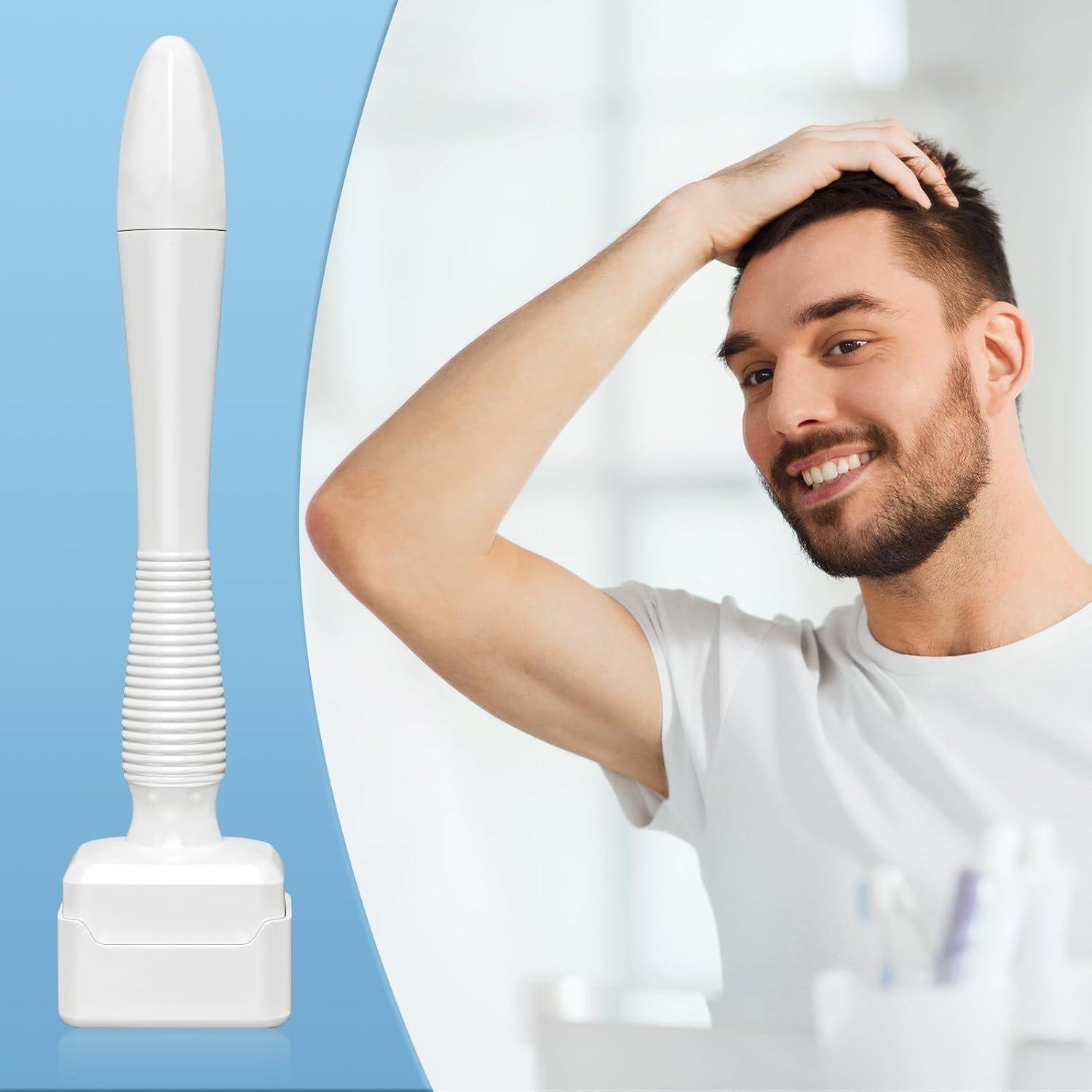
What Skin Will Love
- Adjustable needle depth (0.25–3.0 mm): Lets you tailor intensity to different areas and goals—reviewers like starting shallow on the face and going deeper for scalp/body zones.
- Stamp-style application for targeted control: Users mention the stamping motion feels more precise than rolling,helping you focus on specific spots (cheeks,forehead,hairline) without “dragging” across skin.
- Noticeable texture and “glow” improvements (per reviews): Multiple customers report smoother-looking texture, a more refreshed appearance, and overall skin looking more even after consistent use.
- Beginner-friendly at 0.25 mm: Reviewers call the 0.25 mm setting gentle enough to ease into microneedling, especially for first-timers who want a less intimidating starting point.
- Easy to use and clean (as reported): Customers frequently mention straightforward dialing and simple sanitizing steps (e.g., lowering to 0 and cleaning the tip/cap), which matters for hygiene in at-home skincare tools.
- Good value vs. in-office sessions: Many reviews frame it as a budget-friendly way to add microneedling to a routine, especially since some users plan to replace it after limited uses.
Things to Consider
- Pain level varies widely: While some say it’s “no pain,” others describe it as very painful—those with low pain tolerance, reactive skin, or who press too hard may find it uncomfortable.
- Rectangle head can be awkward in tight facial areas: Reviews note it’s difficult to stamp around the sides of the nose, under-eye area, and other small contours, which may limit precision there.
- Instruction clarity may be lacking: A few users mention needing better guidance on how hard to press and how to gauge depth safely, which can led to inconsistent results or unneeded discomfort.
- Coverage is slower for large areas (especially scalp): Customers with larger treatment zones (like significant scalp area) say it can take a long time to fully cover, making it less convenient for rapid sessions.
Q&A

Is this suitable for sensitive skin?
It can be, but sensitive skin should go extra slowly. Even at 0.25 mm, microneedling can cause temporary redness, warmth, or stinging—especially if you’re reactive or prone to irritation. Start with the shortest setting (this stamp is adjustable) and use very light pressure.Patch test on a small area first, and avoid use if your skin is currently irritated, sunburned, or flaring.
Will this work for oily or acne-prone skin?
Some oily/acne-prone users like microneedling for the look of texture and pores, but it’s not a good idea over active acne, open pimples, or inflamed breakouts because it can worsen irritation and potentially spread bacteria. If you’re acne-prone, prioritize strict sanitation and use it only on clear areas. If you’re using prescription acne treatments or have cystic acne, check with a dermatologist before starting.
When should I use this in my routine (before or after skincare)?
Use it on freshly cleansed, completely dry skin—before applying leave-on products. After stamping, keep your routine simple and soothing (many people reach for a gentle hydrating serum like hyaluronic acid) and avoid fragranced or “active” treatments. As microneedling can increase sensitivity, SPF is a must the next day (and every day) to help prevent irritation and discoloration.
Can I use this with retinol, vitamin C, acids, or other actives?
On the same day, it’s best to avoid strong actives (retinoids/retinol, exfoliating acids like AHA/BHA, benzoyl peroxide, and many strong vitamin C formulas) because they can sting and irritate when skin is freshly microneedled. A common approach is to stamp on a “recovery” night and use gentle hydration only, then resume actives after your skin feels calm (often 24–72 hours, depending on sensitivity). If you’re under medical skincare care, follow your clinician’s guidance.
does it hurt? Why do reviews say both “no pain” and “very painful”?
Pain varies a lot by needle depth, pressure, area of the face/body, and individual sensitivity. Reviews highlight that this tool is adjustable (up to longer lengths), and higher settings or pressing too firmly can feel sharp or very uncomfortable. For beginners, stay at the lowest setting and use gentle, controlled stamping—never drag—especially on thinner-skin areas.If you experience significant pain,bleeding,or prolonged redness,stop and reassess your technique and settings.
How often can I use it—can it be used daily?
Most people should not microneedle daily. Your skin needs time to recover between sessions. Start conservatively (such as,once weekly at a short length) and increase only if your skin tolerates it well. Overuse can lead to irritation and a compromised skin barrier. If you’re unsure, a dermatologist can help you choose a safe schedule for your goals and skin type.
How long before I see results?
Based on customer feedback, some users notice a “glow” or smoother feel after a few uses, while bigger-looking changes in texture or overall appearance may take several weeks of consistent, careful use. Results also depend on your routine (hydration, barrier support, daily sunscreen) and what you’re targeting (face texture vs. scalp vs. stretch marks).As with most skincare tools,individual results vary.
Is the packaging hygienic, and how do I clean it?
Hygiene is critical with microneedling. Customers mention it’s easy to clean and that the cap can be used with alcohol, but always follow the brand’s directions. In general, sanitize before and after each use, store it capped, and don’t share it. Replace the device as recommended (some reviewers note replacing after around 10 uses) to help keep needles sharp and reduce irritation risk. Never use on broken skin or if the needles look bent or damaged.
Achieve New Heights
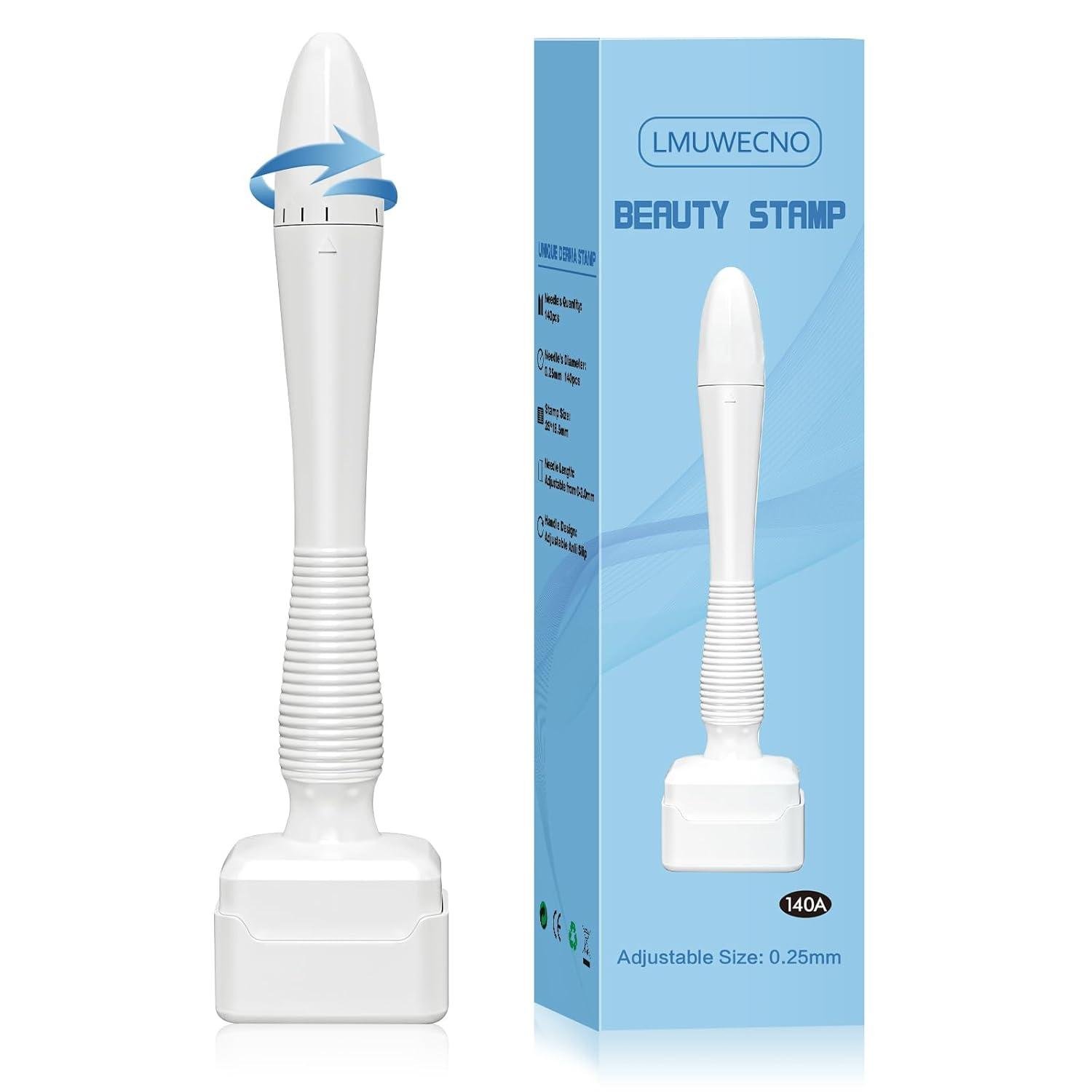
Product Summary: The Beauty Derma Stamp is a no-fuss microneedling tool designed to boost how well your skincare sinks in—especially hydrating serums like hyaluronic acid and barrier-supporting brighteners like niacinamide. As it’s a stamp (not a roller), application can feel more controlled, and many users like the adjustable dial for customizing depth. Texture-wise, it pairs best with lightweight, slip-friendly serums, and customers frequently mention it’s easy to use and clean with proper sanitizing.
Best For: Excellent for combination or oily skin seeking lightweight hydration support, and for beginners starting around 0.25 mm to target rough texture and the look of pores.
Skip If: Consider alternatives if you have very sensitive/reactive skin, fear of pain, active acne, or if you prefer a truly “set-and-forget” product (this requires careful technique and hygiene).
Skin Care Tip: Always patch test, sanitize thoroughly, and wear SPF daily—your skin can be more sun-sensitive after needling.
Ready to try it for your skin? Check Current Price & Full Ingredients on Amazon →
Remember: Always patch test new products and introduce them gradually into your routine. What works for one person may not work for another, so listen to your skin!